MENU
MENU
Otillia M. Richmond, MH
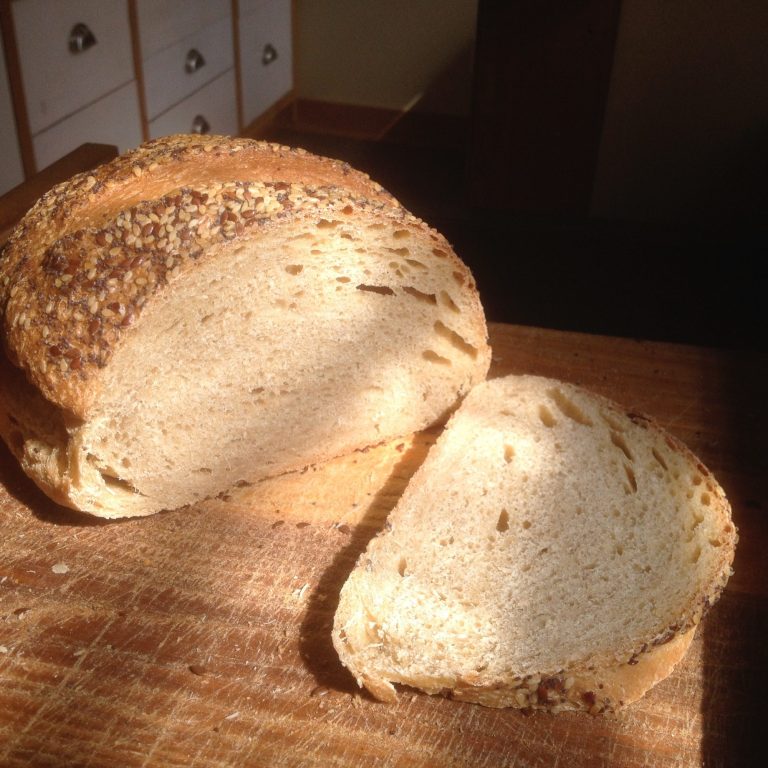
Bread has been the food of humans since the first seed was ground. Adding water to seed meal hydrates and activates the natural germination compounds found within the seed: nutrition to grow a plant and feed animals.
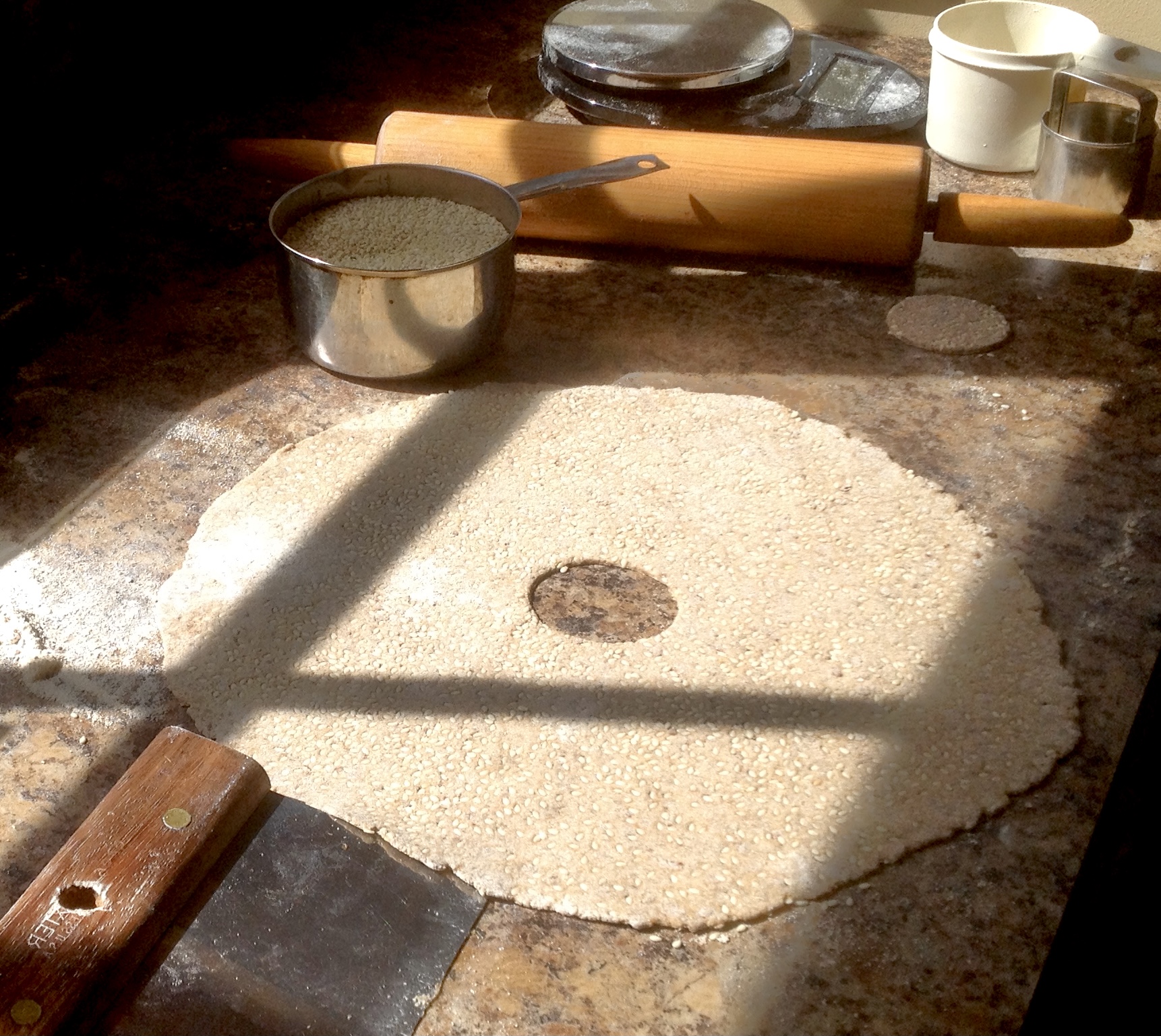
We tend to think of bread as leavened. Although, thoroughly hydrated and cooked seeds make bread. Pasta, cereal, donuts, bagels, breadsticks, pretzels, flatbreads, dumplings, tortillas, crackers...are bread.
Why we Care
Seeds are one of the primary ingredients in the human diet for a human's number one need: energy for the body, brain, and biome-yesterday, today, and tomorrow.
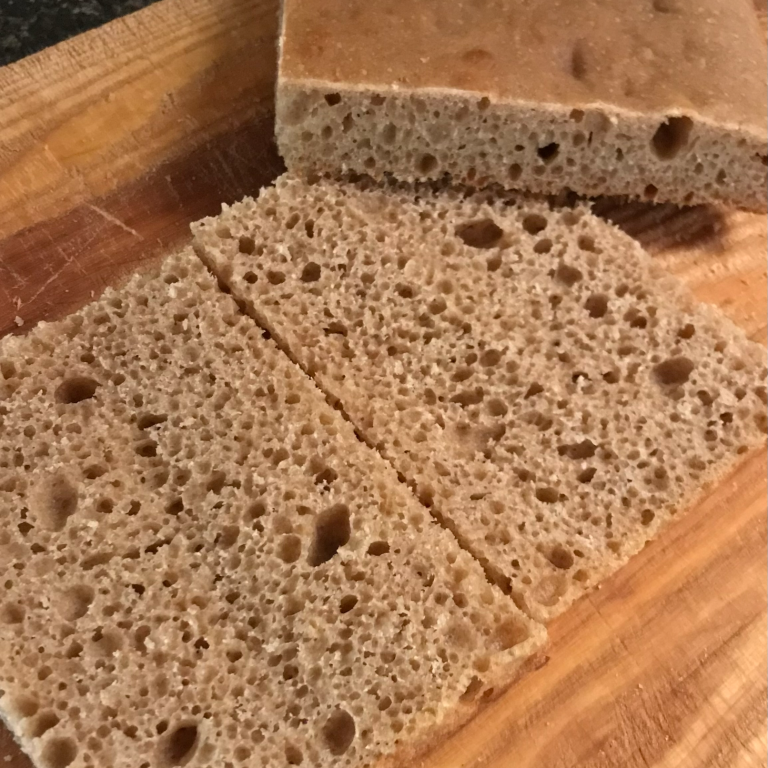
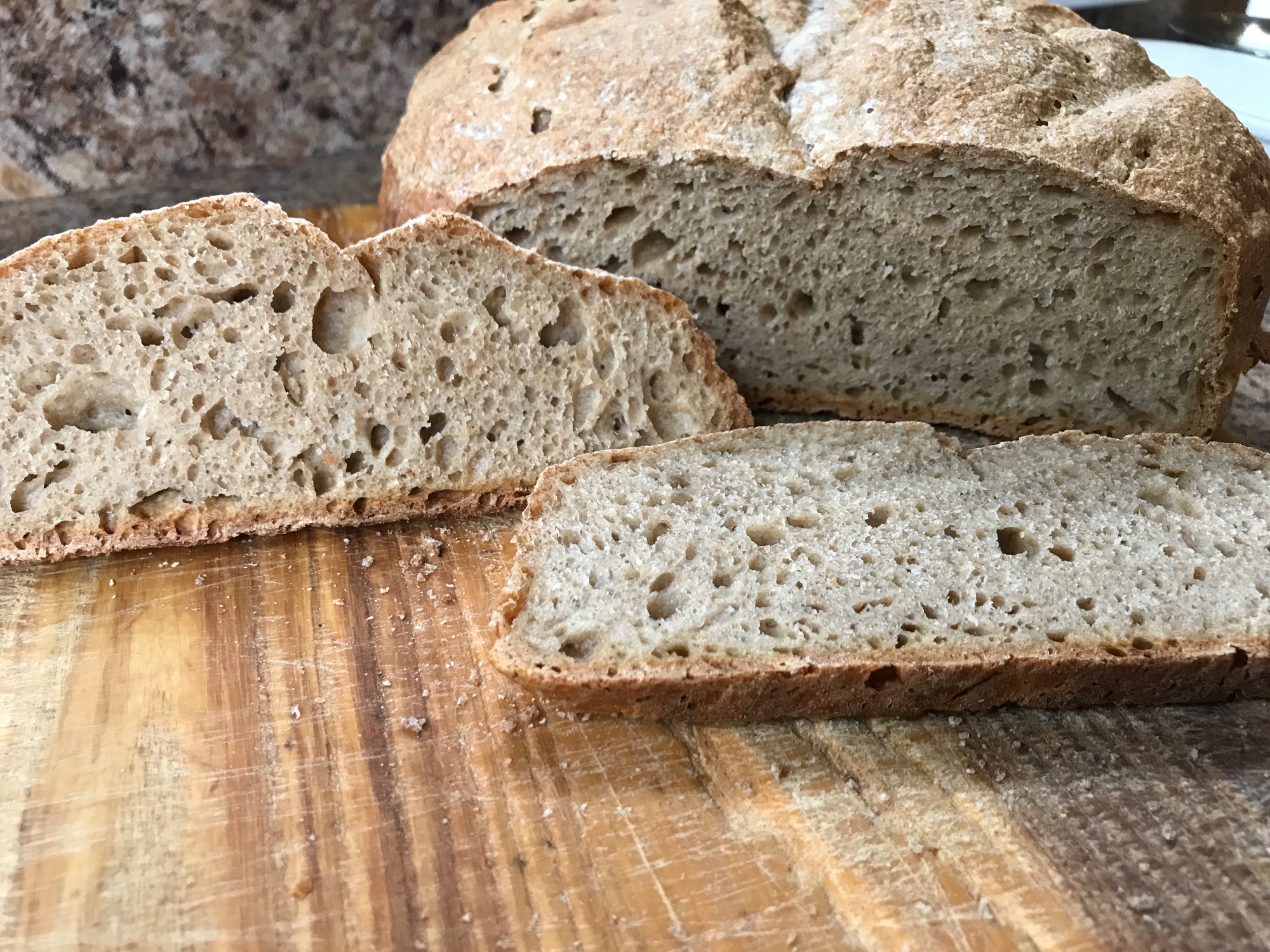
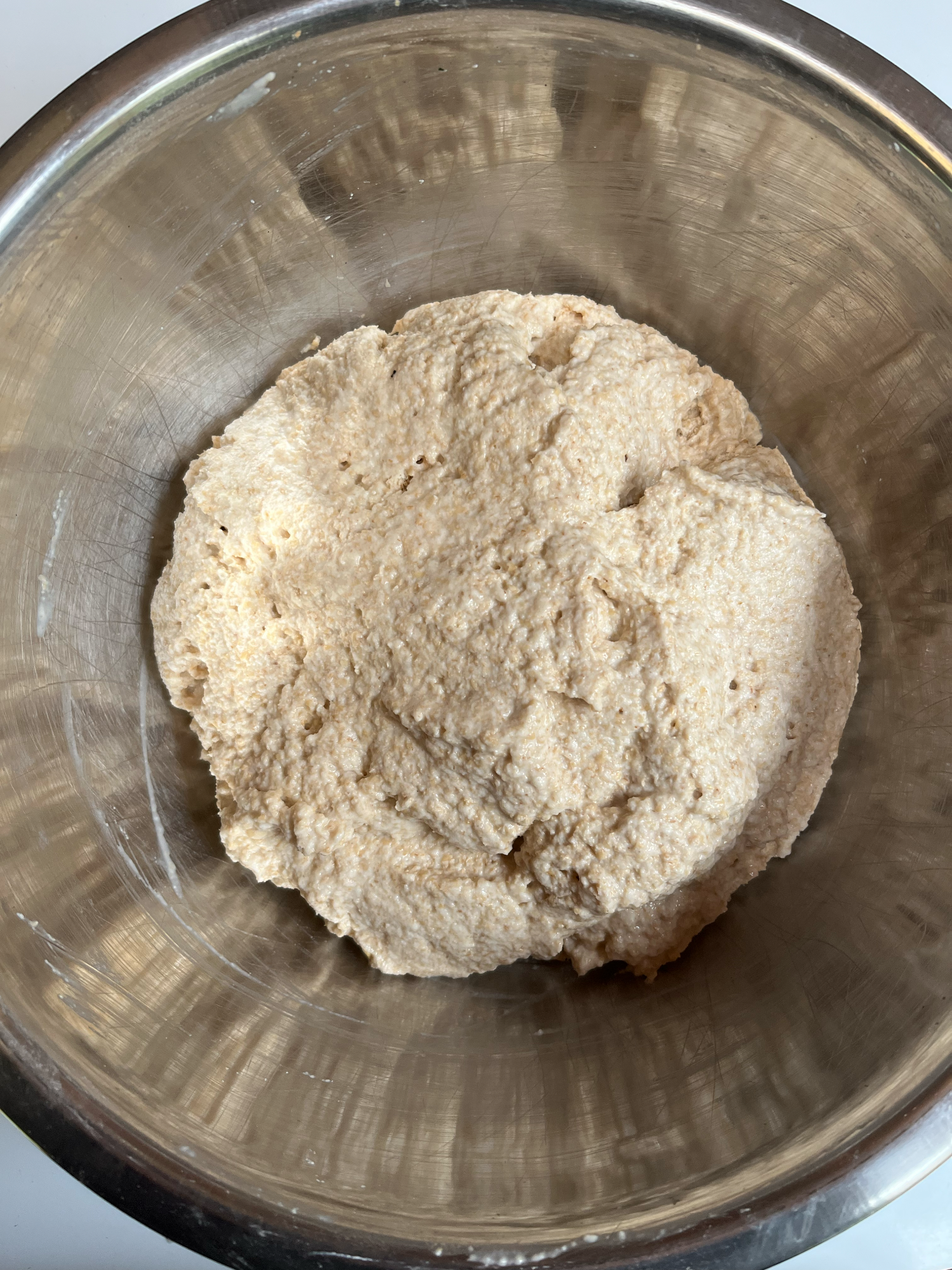
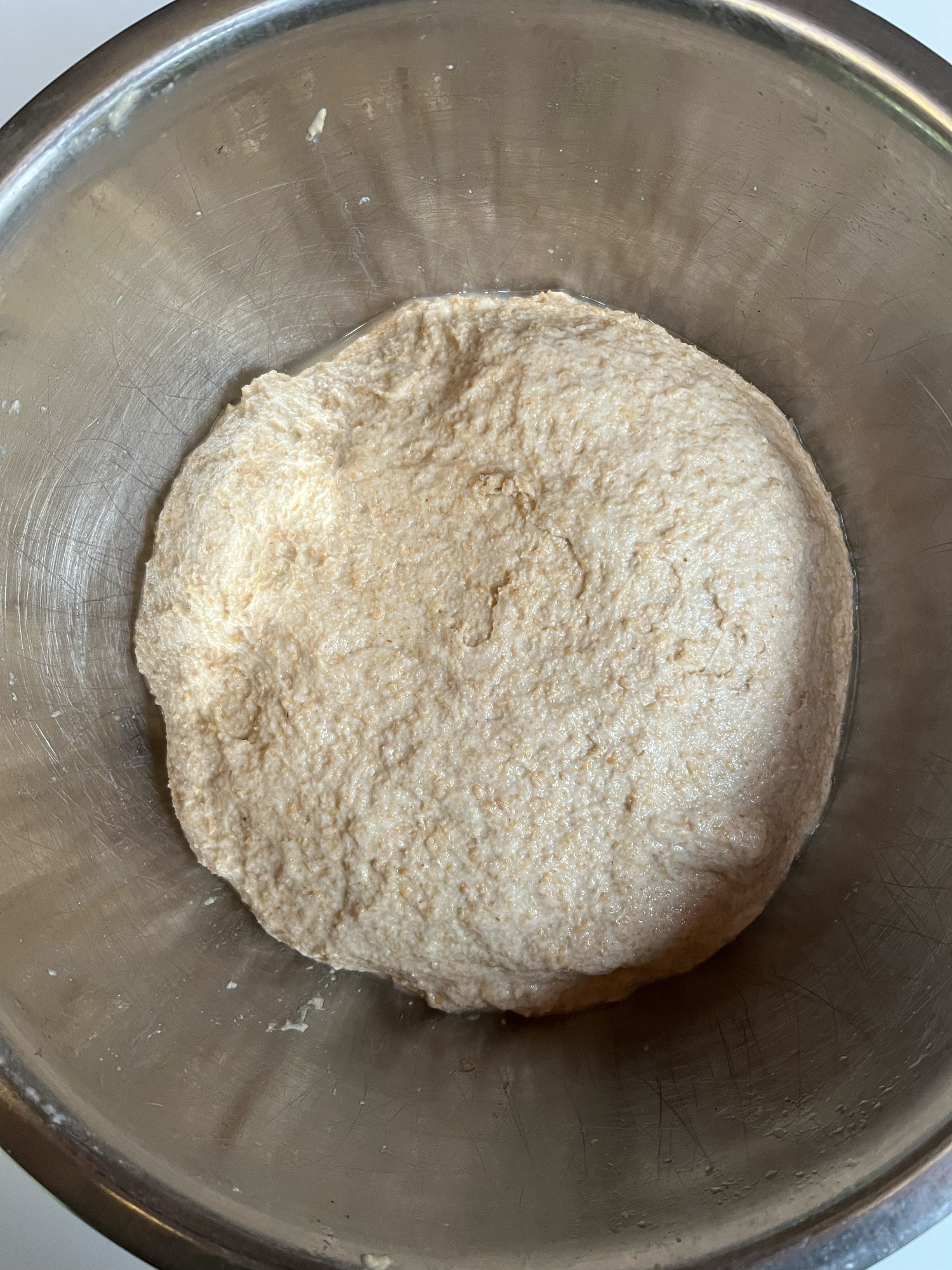
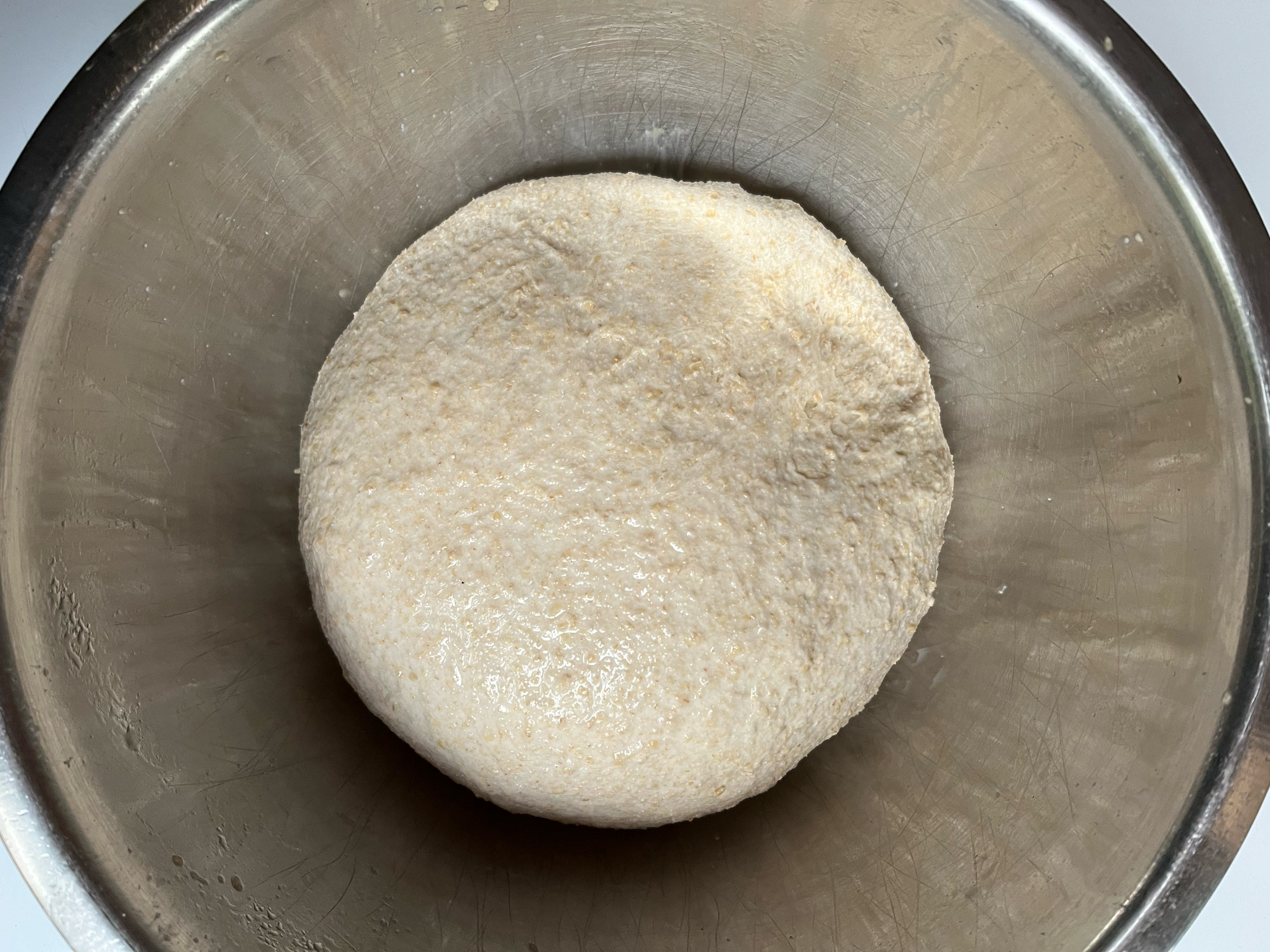
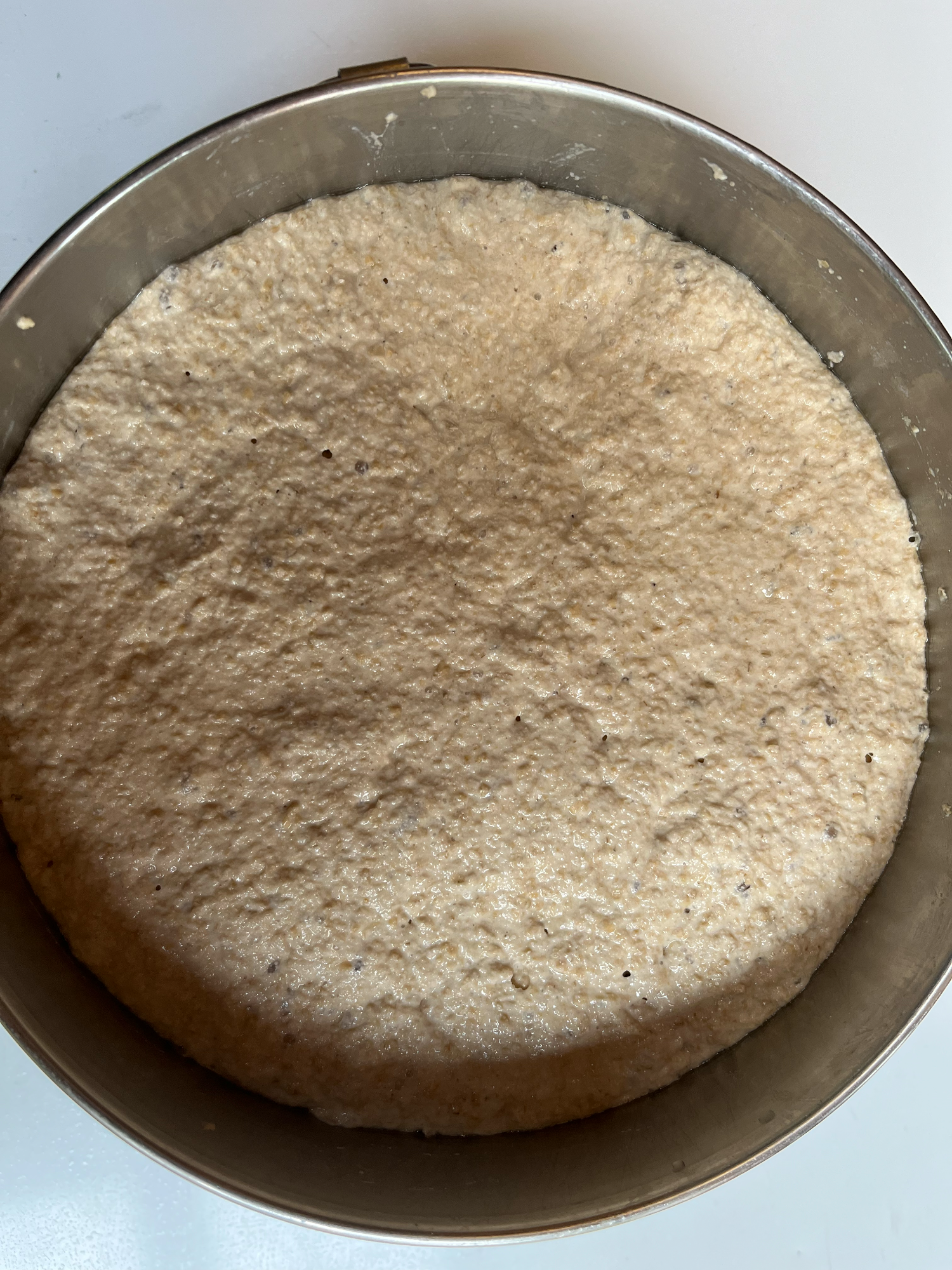
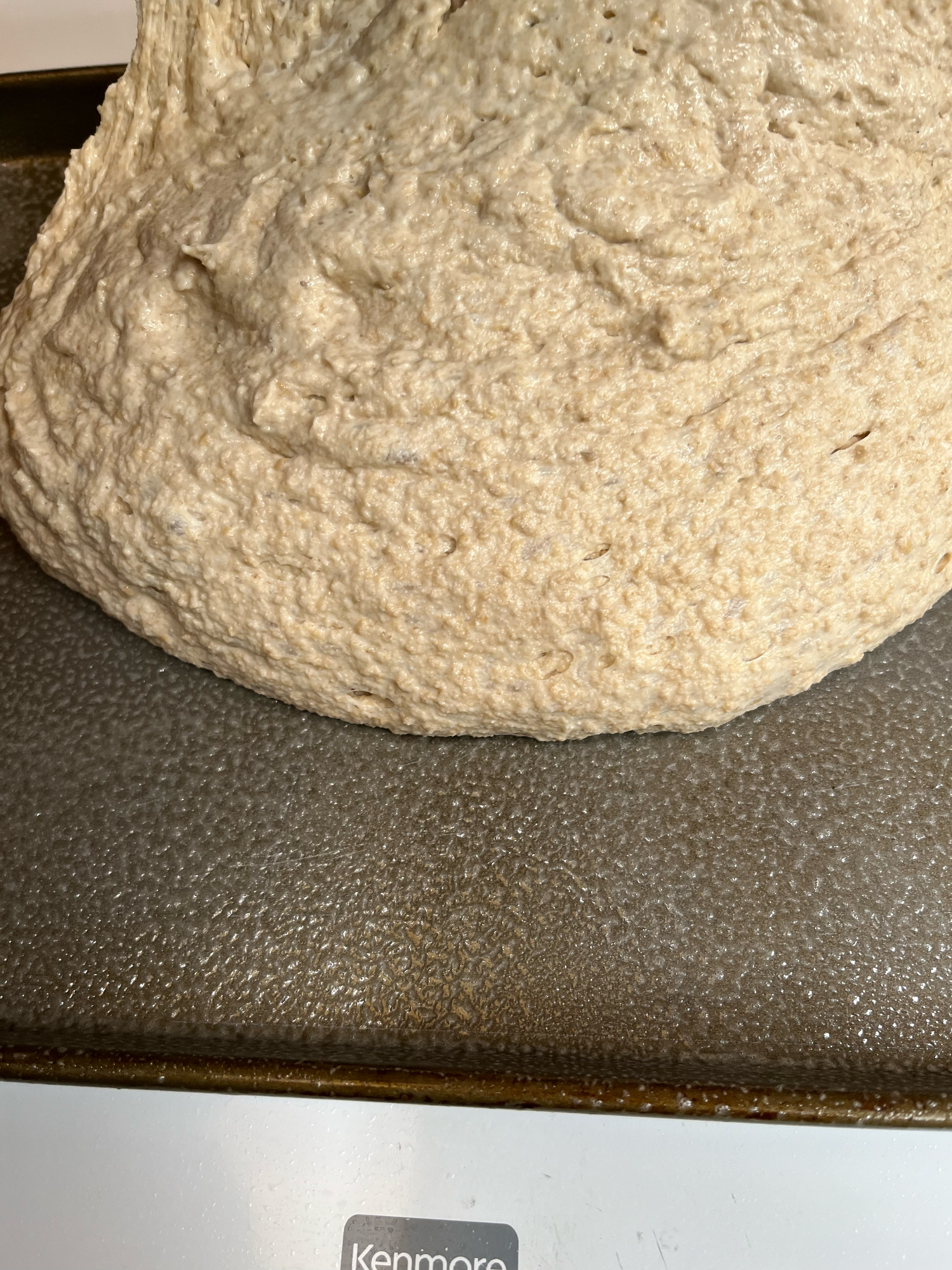
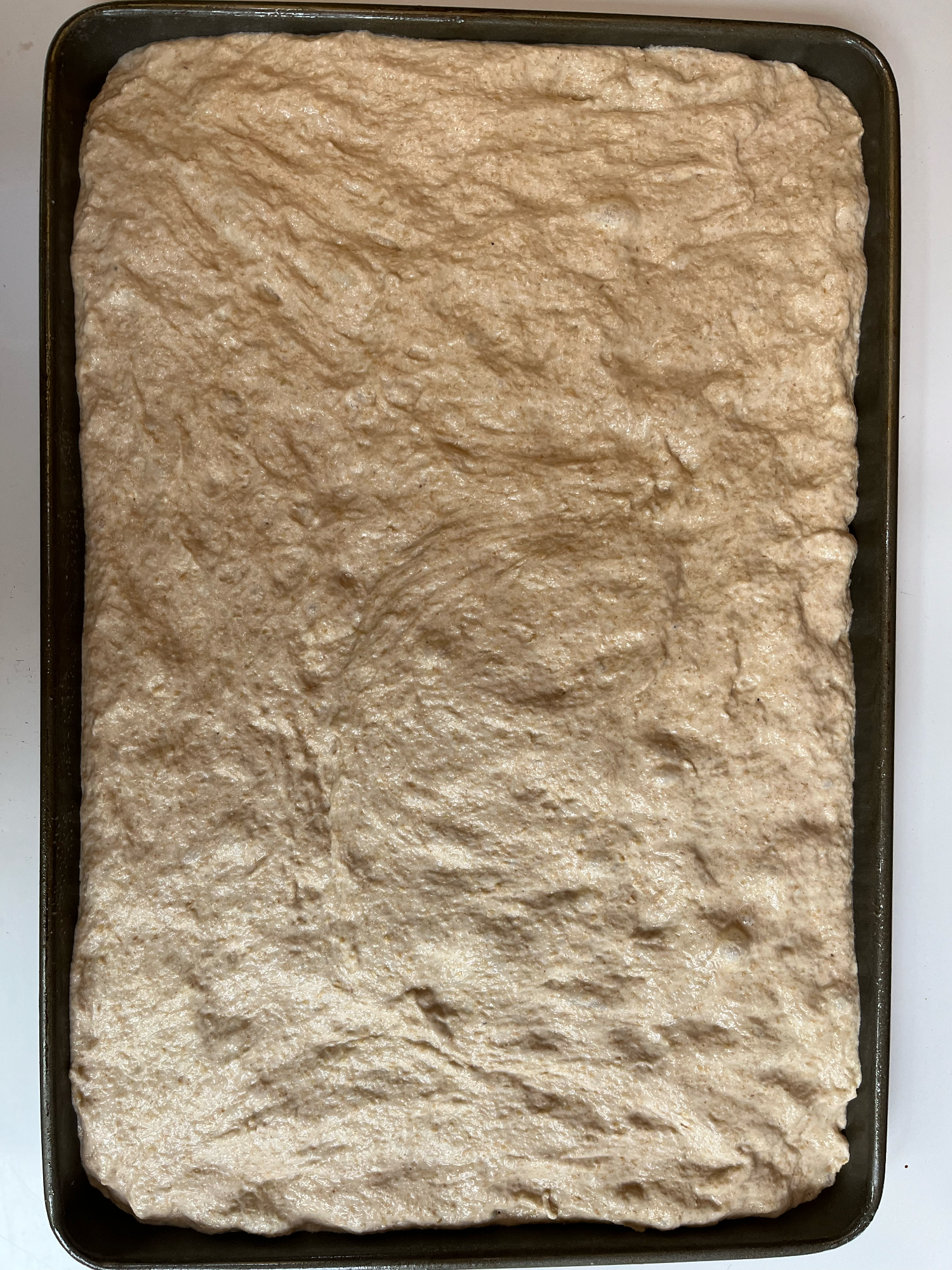
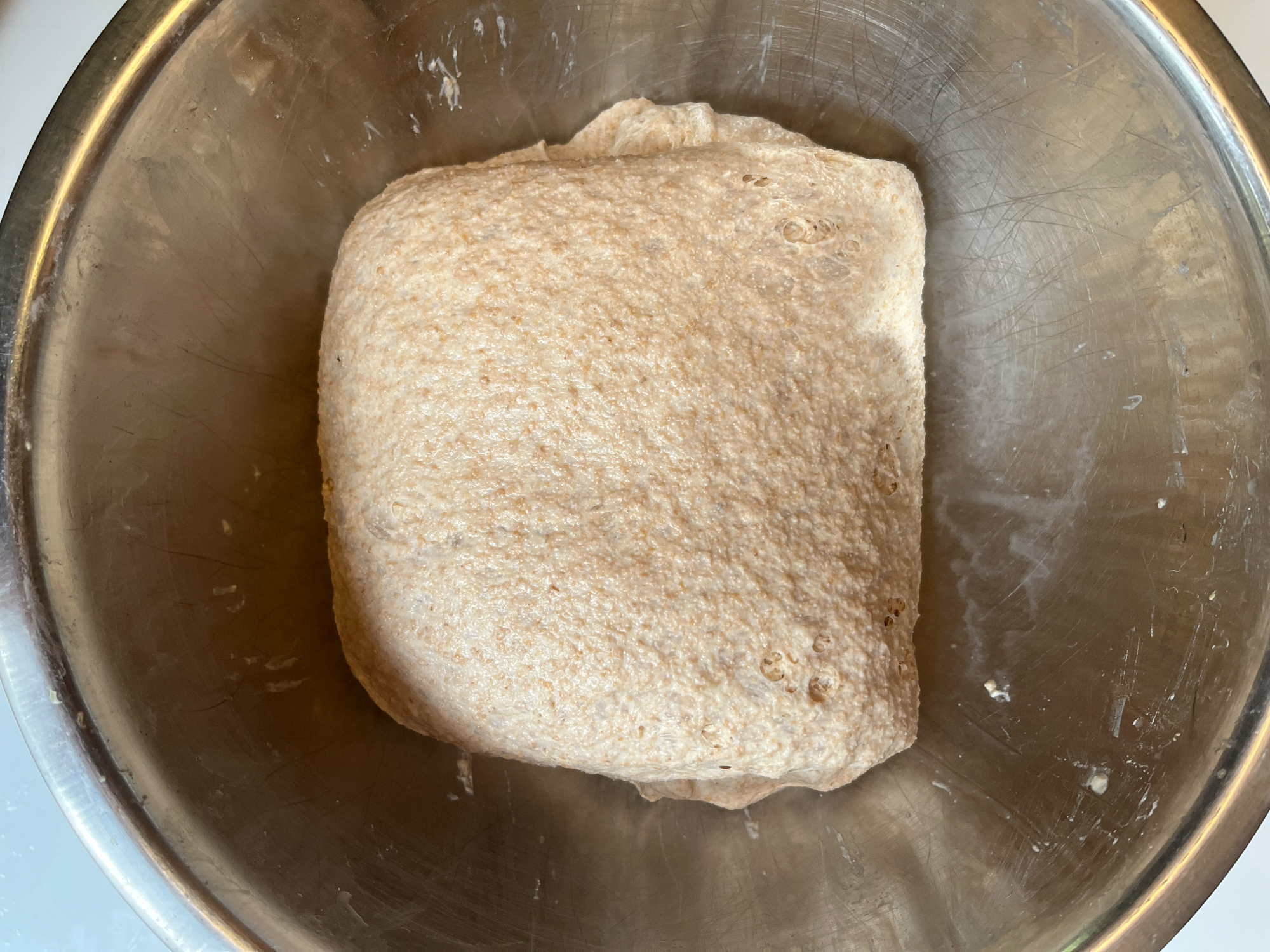
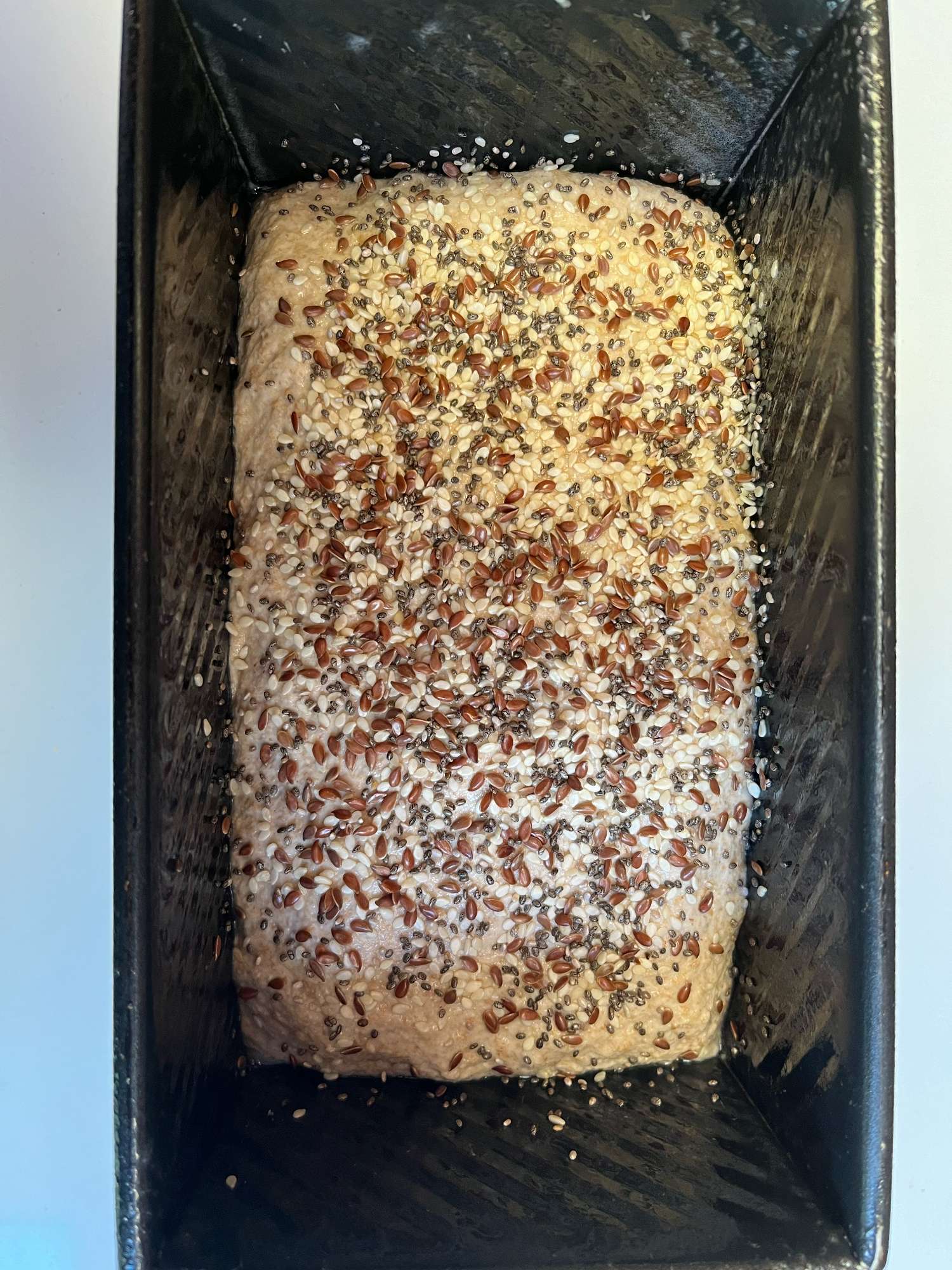
Not quite flat bread, often called focaccia, sheet breads are my new whole wheat sandwich bread. Yeasted or sourdough, this super hydrated dough is easy to loaf, bakes in half the time of traditional loaves, and produces a soft open crumb with whole grain wheat.
One formula makes sheeted breads, loaves, baguetts, rolls, buns, and soft breadsticks. Find my number one favorite bread formula in book two-Health from the Hearth-Chapter 34, page 588, of The Human Nature of NEED and FEED.
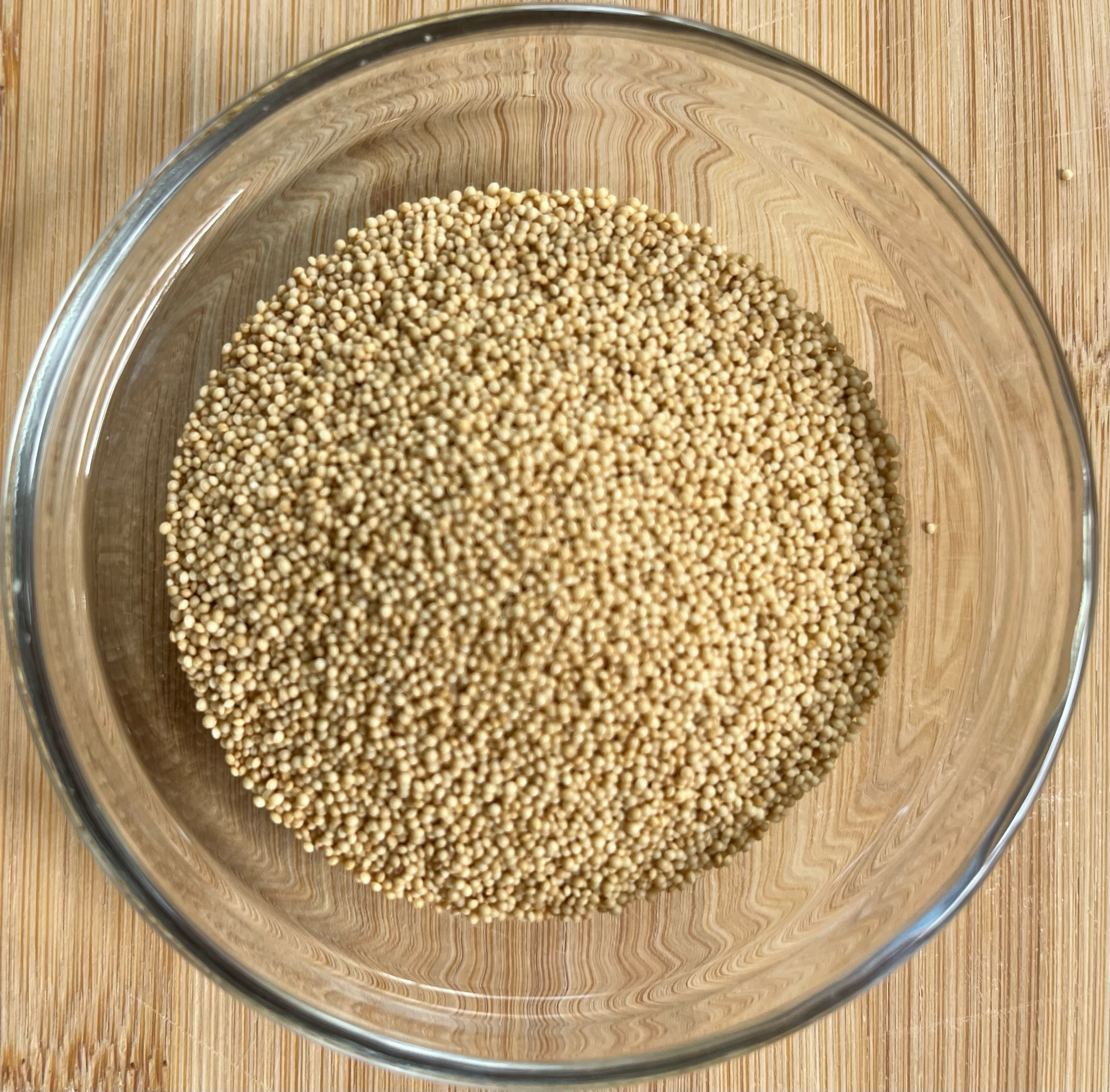
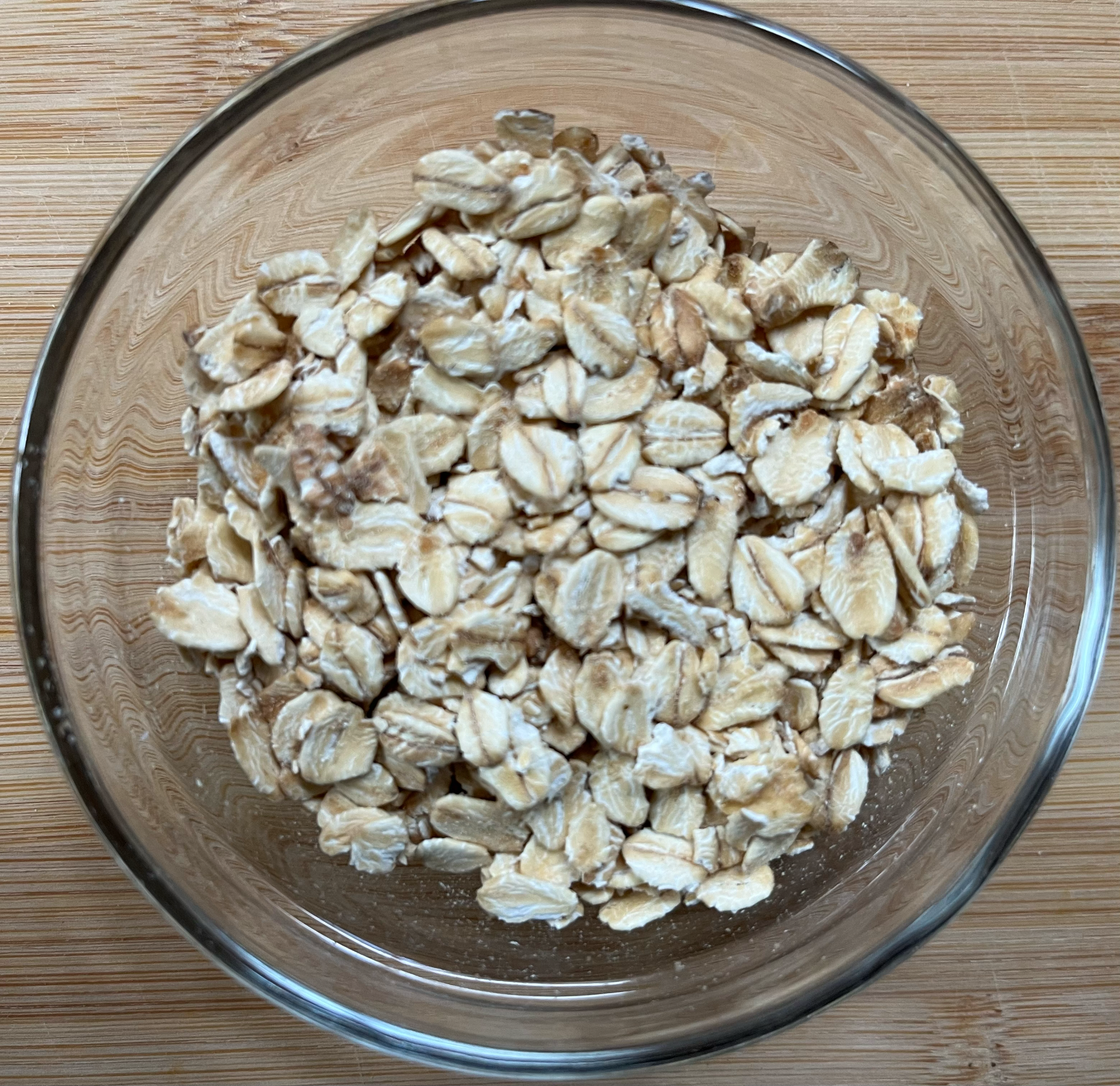
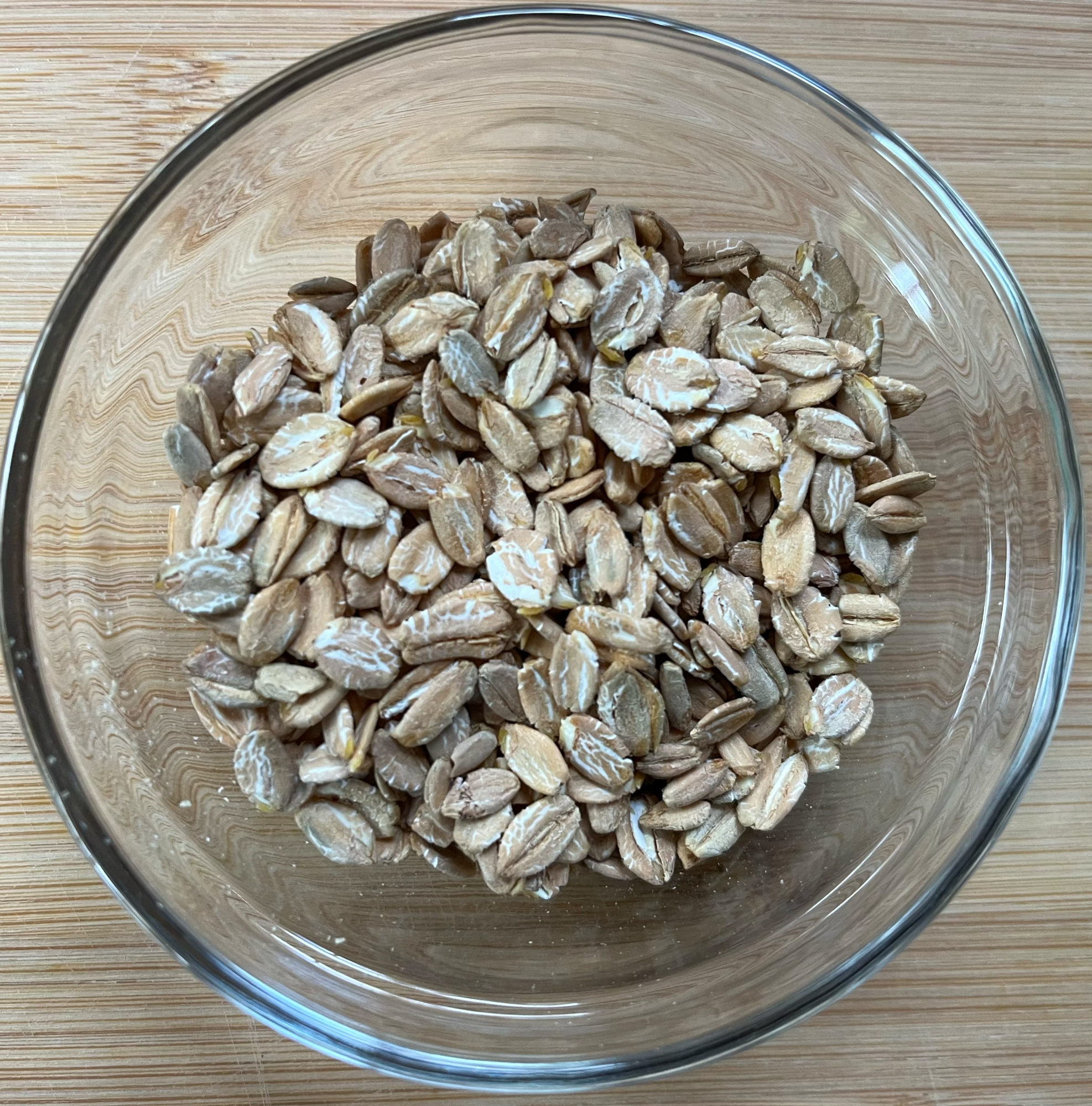
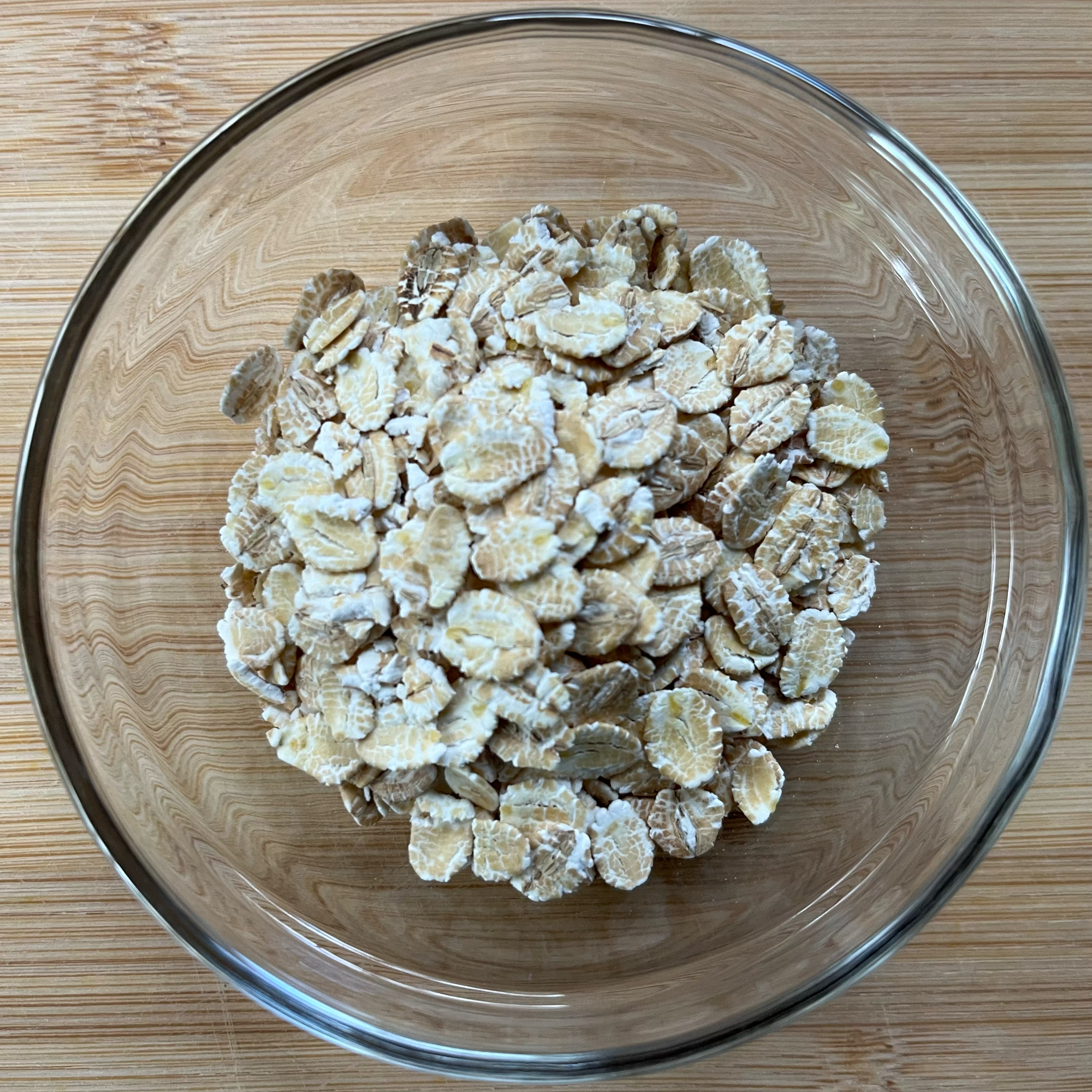
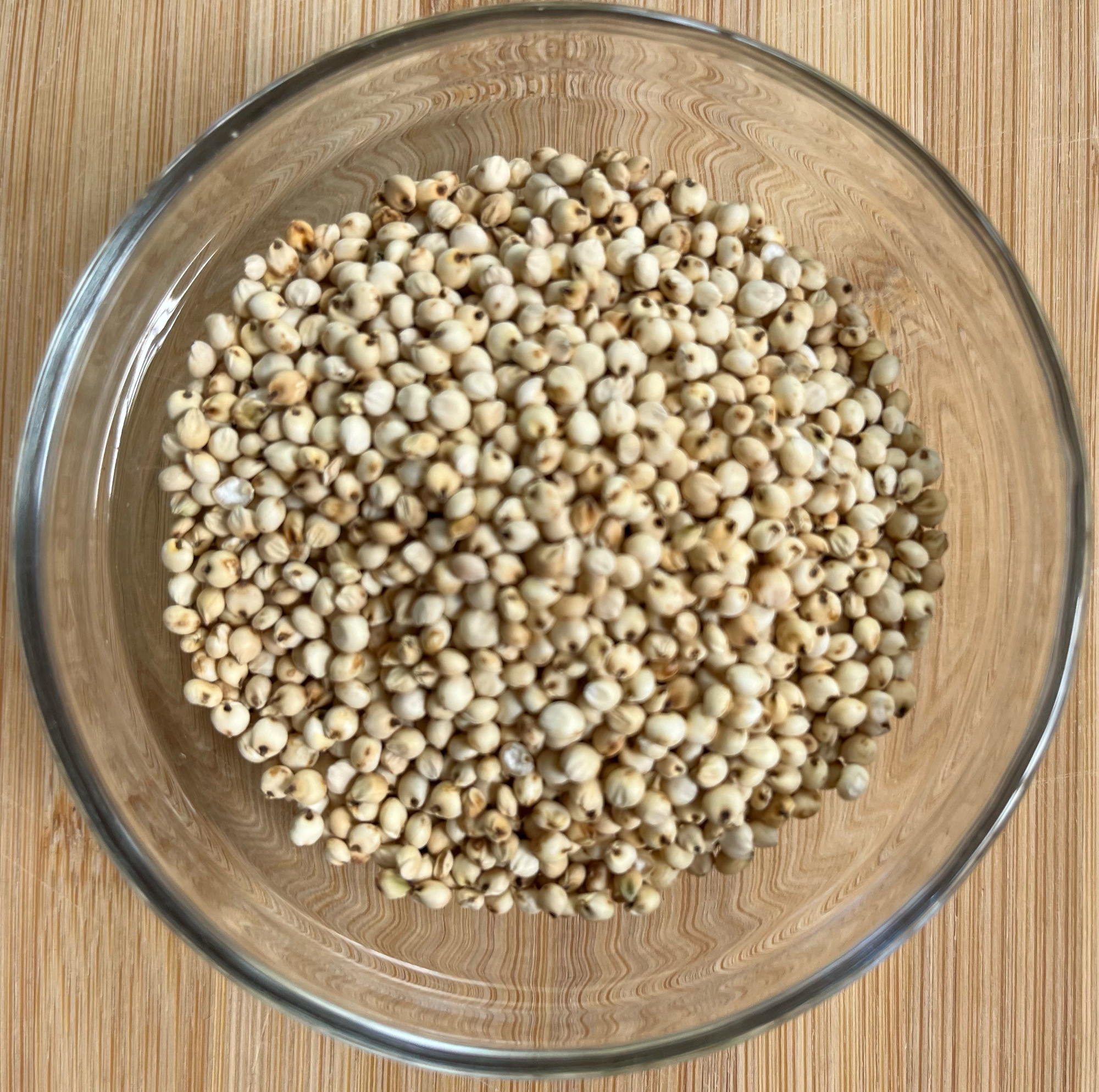
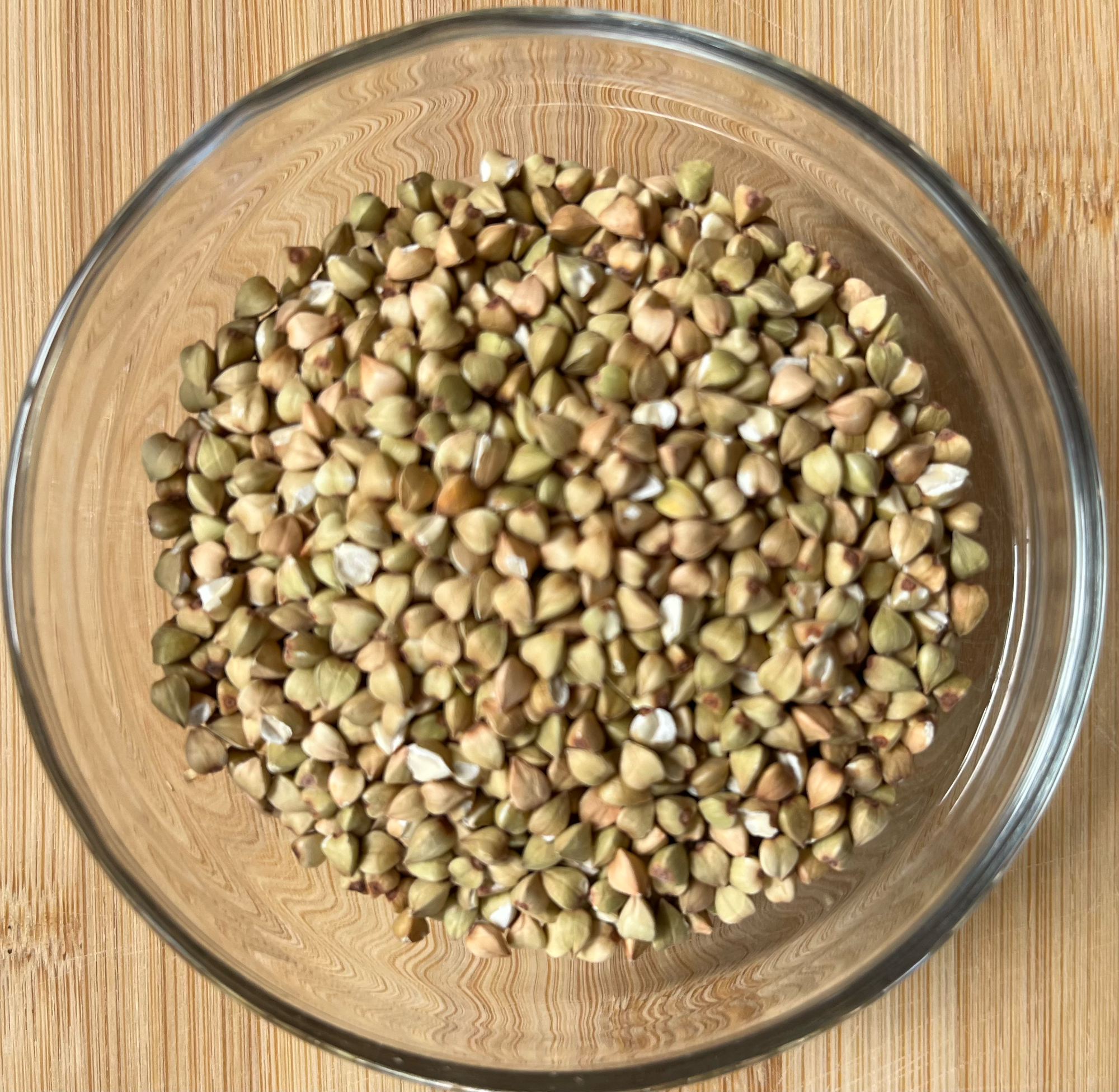
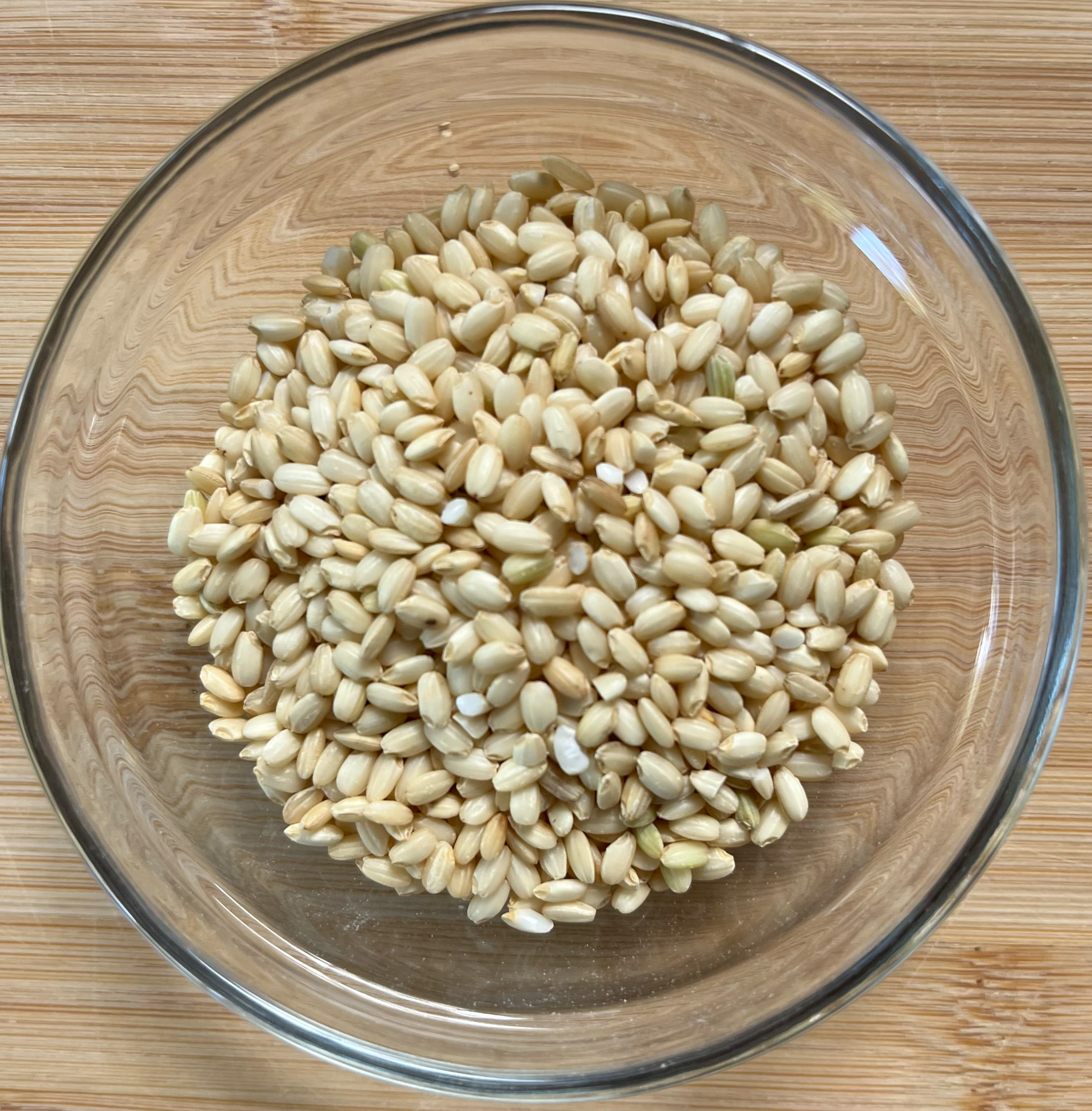
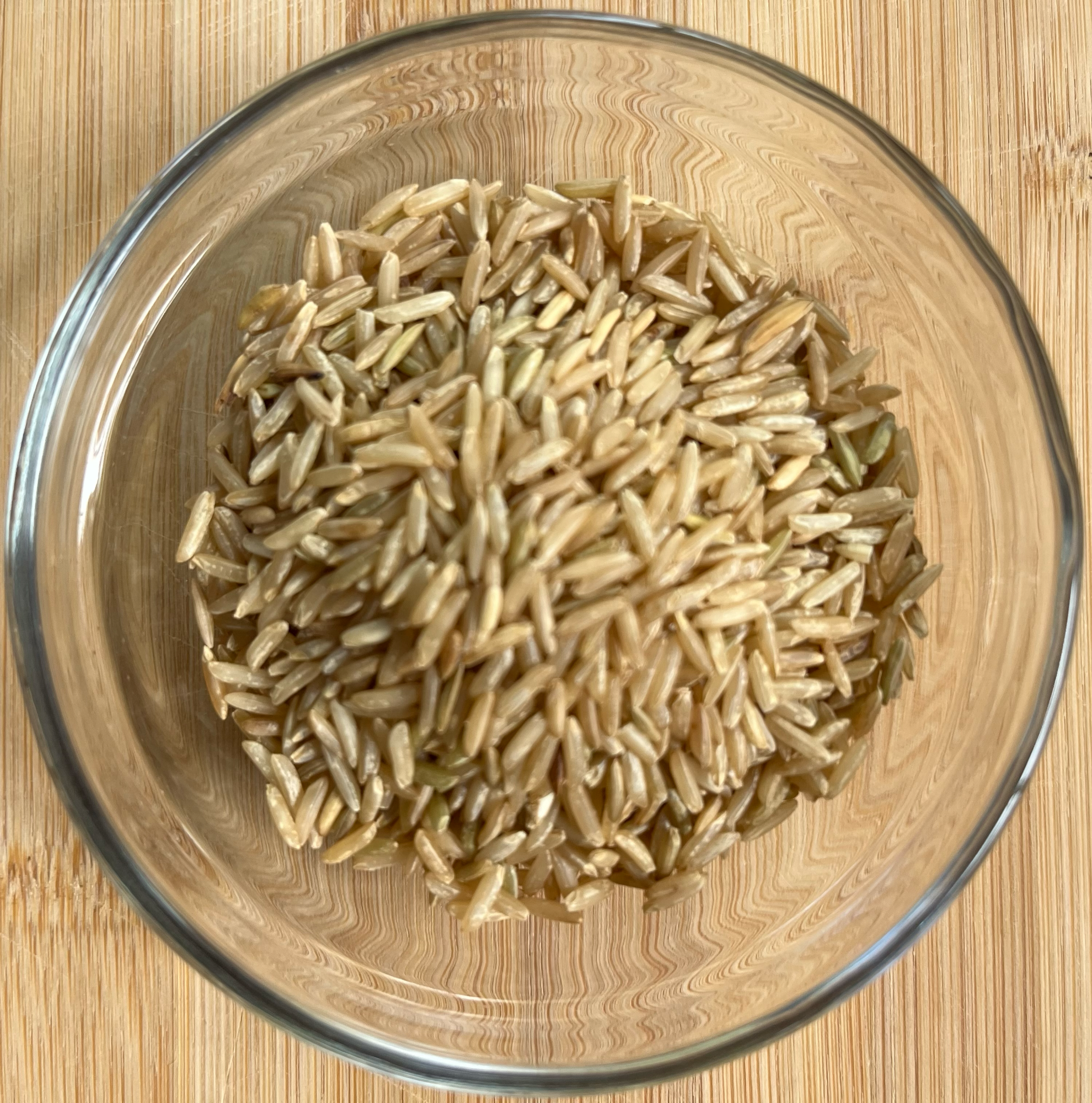
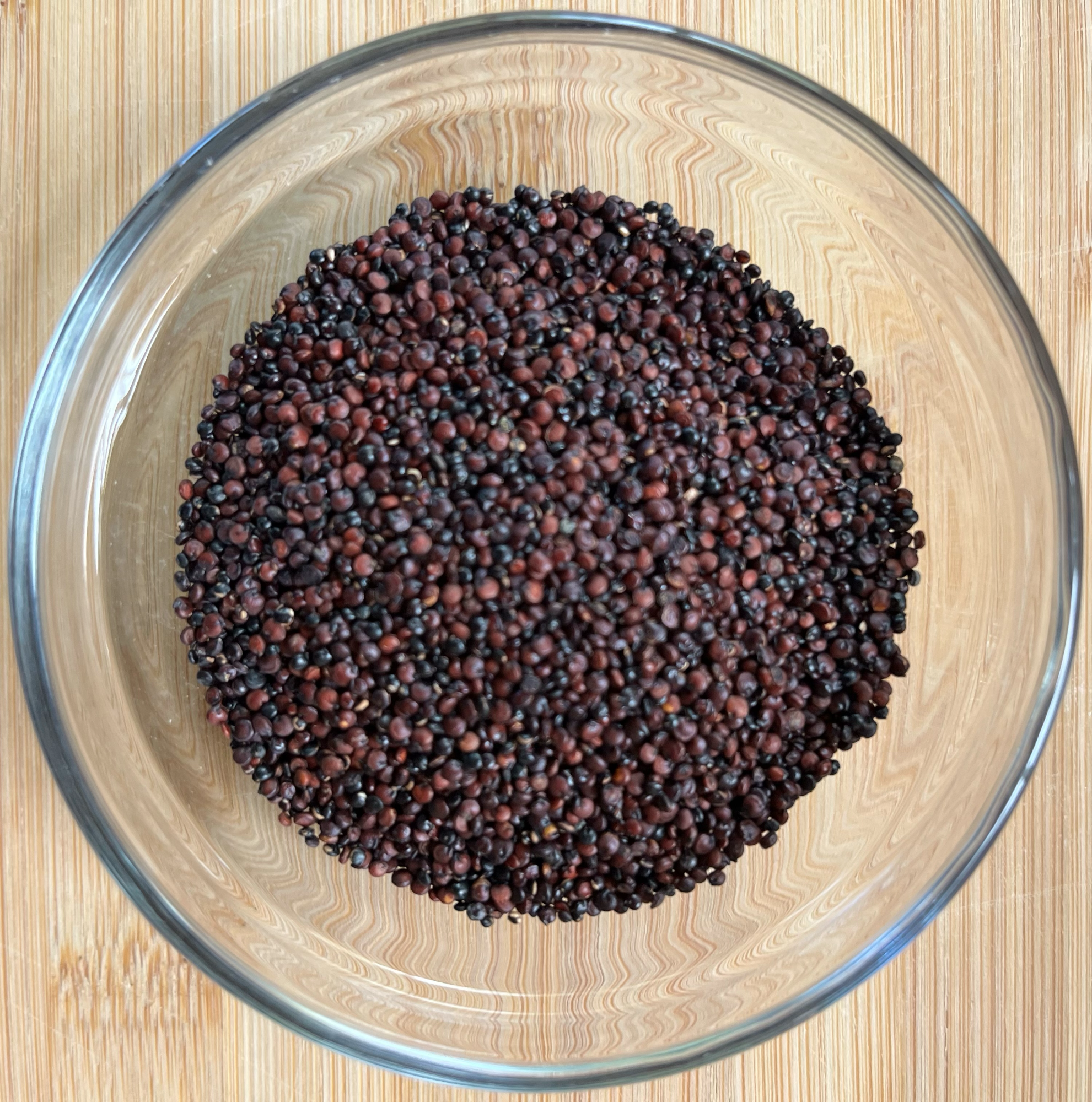
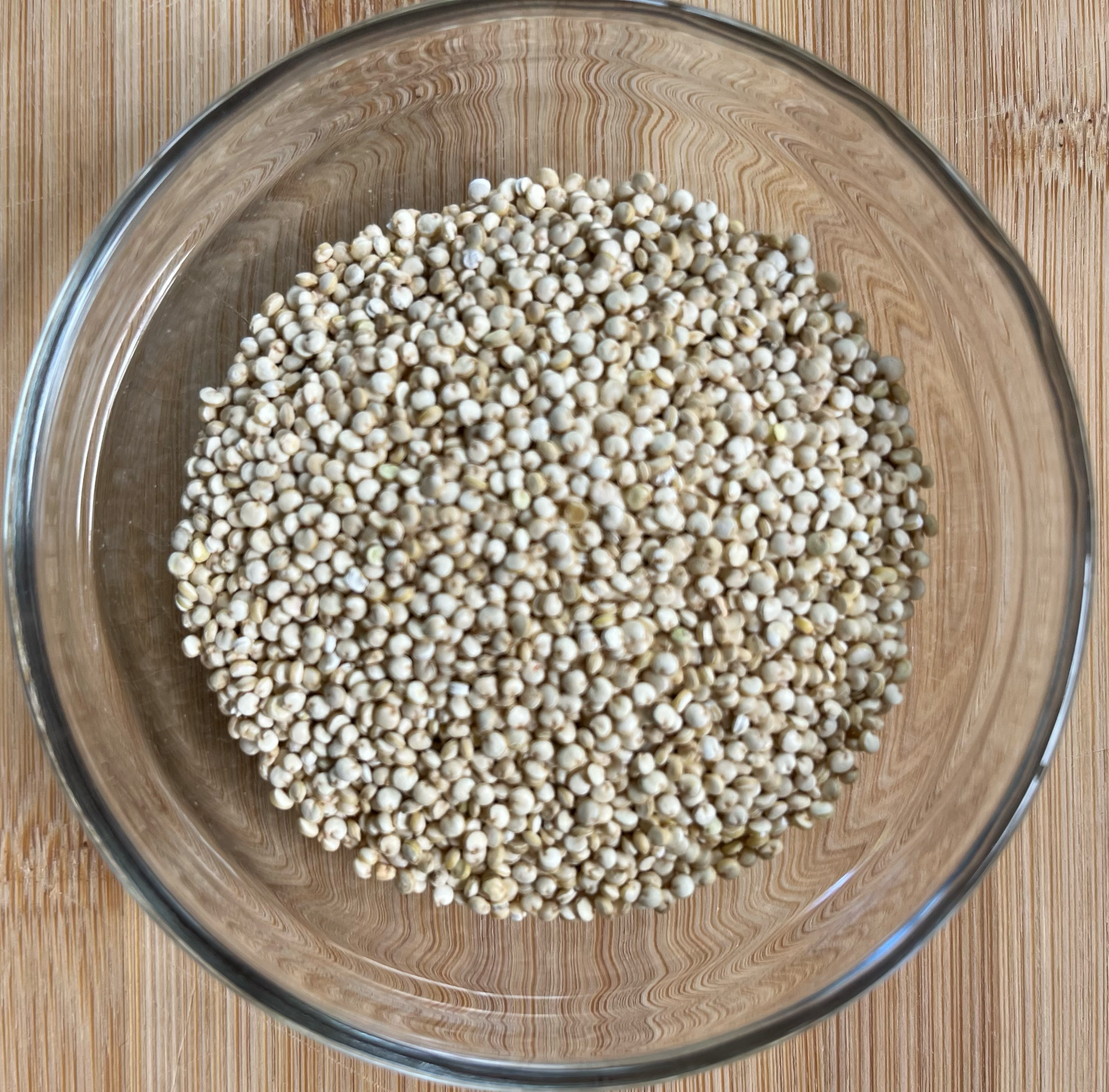
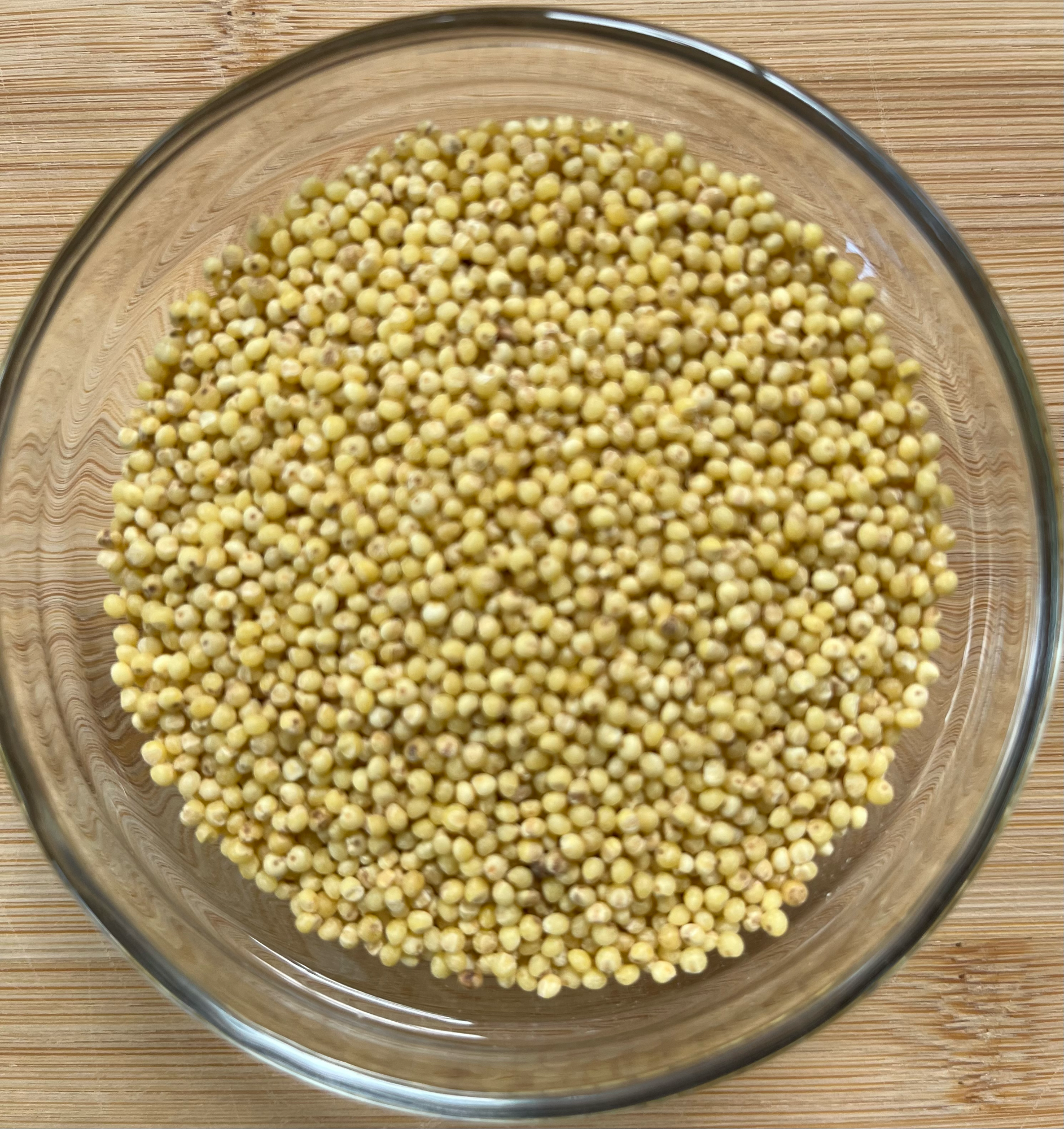
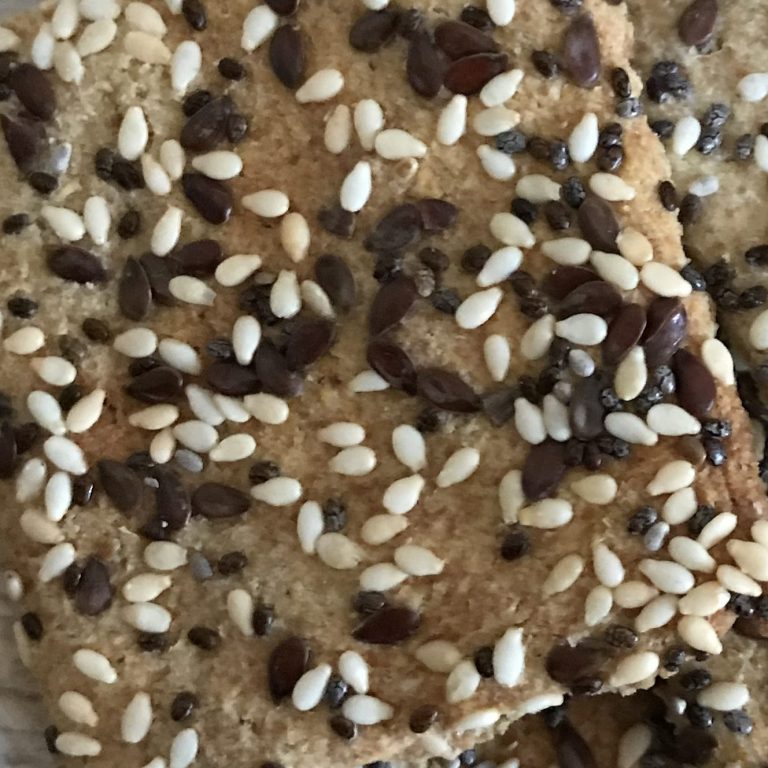
Seeds, seeds, and more seeds from the Earth to the Hearth to rinse, hydrate, and boil. By autumn, the seeds of plants and grasses have matured in to an abundance of life supporting, storable human food.
When humans eschew carbohydrates, therefore seeds, they cannot be aware of the high quality fuel and nutrition in nature's bounty of complex carbohydrate and fiber rich seeds. They simply need to say goodbye to those pernicious white carbs found in the industrial world and say hello to delicious and nutritious whole seeds.
Too many to count, too many to eat, find favorites from the multitude of seed varieties to bring plenty of fiber and flavor to the plate and palate, here are a few of mine.
Get to know 200 edible seeds, pages 68-251, in The Human Nature of Need and Feed.
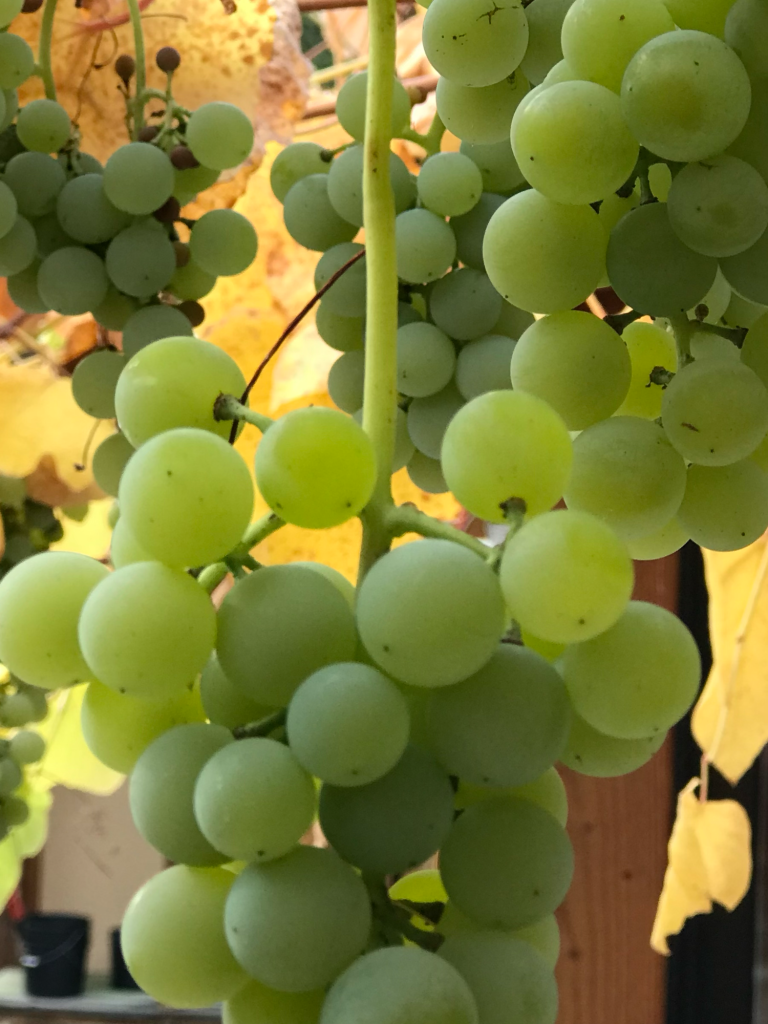
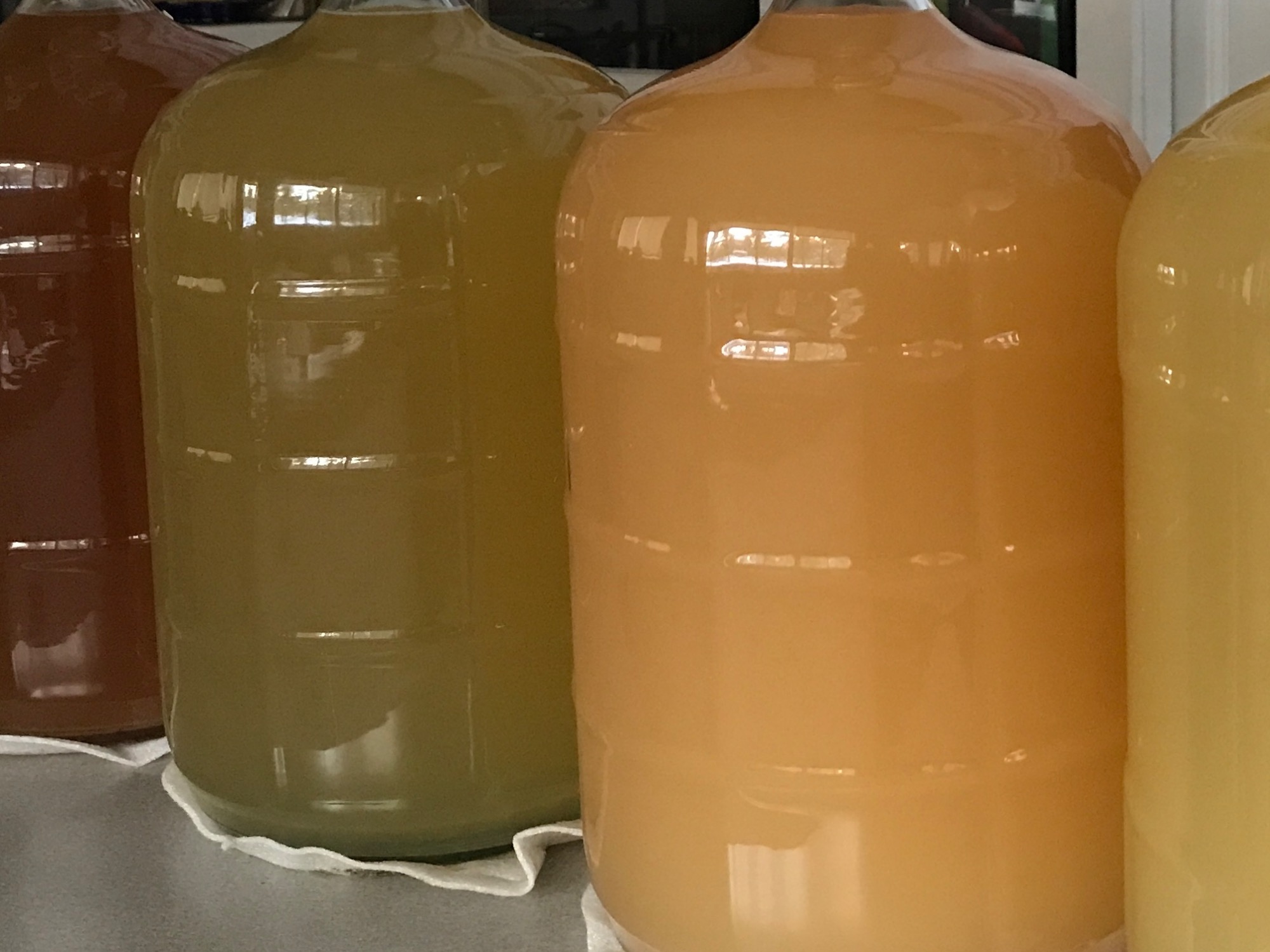
In food, fermentation occurs when microorganisms, such as bacteria and yeast, use enzymes to reduce carbohydrates to organic acids and CO2. The acids create environments of beneficial organisms, defending against pathogens and preserving food. Fermentation is nature's process of recycling: microorganisms reducing plants.
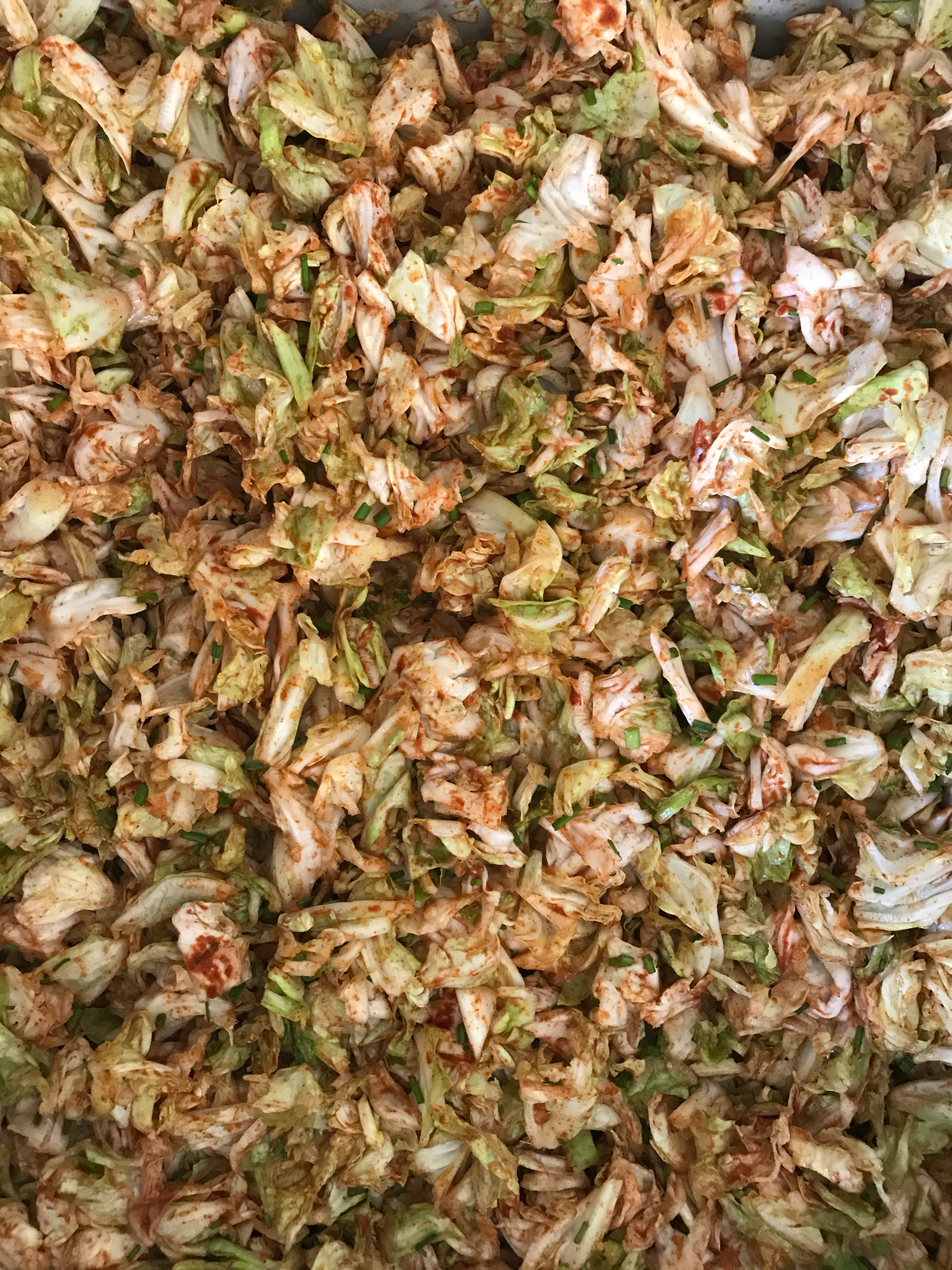
Fermentation is used to make leavened bread, sauerkraut and kimchi, yogurt and cheese, kombucha and compost and, in humans, additional energy.
Why we Care
Besides enhancing the shelf life of food, fermentation can improve digestion, strengthen immunity, increase the availability of nutrients, and provide easily prepared, delicious foods and beverages-at home. And, it is what humans have done for centuries.
See The Human Nature of Need and Feed, Book Two, Health from the Hearth, chapters 42 and 43, for streamlined instruction and recipes to ferment food and beverages at home.
More than a million years ago, firing a hearth to cook food was a cornerstone for the human species, expanding their nutrition while decreasing their need for food appropriation, leaving more calories available for growth and brain development. The introduction of heat to nature’s food triggers enzymatic, chemical, and/or biological reactions that change texture, add flavor, improve digestion and nutrient accessibility.
Why we Care
The heated oven, whether sand or earth, (30,000 ya), stone (25,000 ya), clay (7,500 ya), iron (375 ya), or steel (125 ya), further revolutionized food preparation with ground, fermented, and baked grass seeds. Winter is the time to fire the hearth and bake. A little time in our kitchens can provide days of wholesome food.
See The Human Nature of Need and Feed, Book Two, Health from the Hearth for concepts of cooking and recipes.

page 591
page 192

page 590
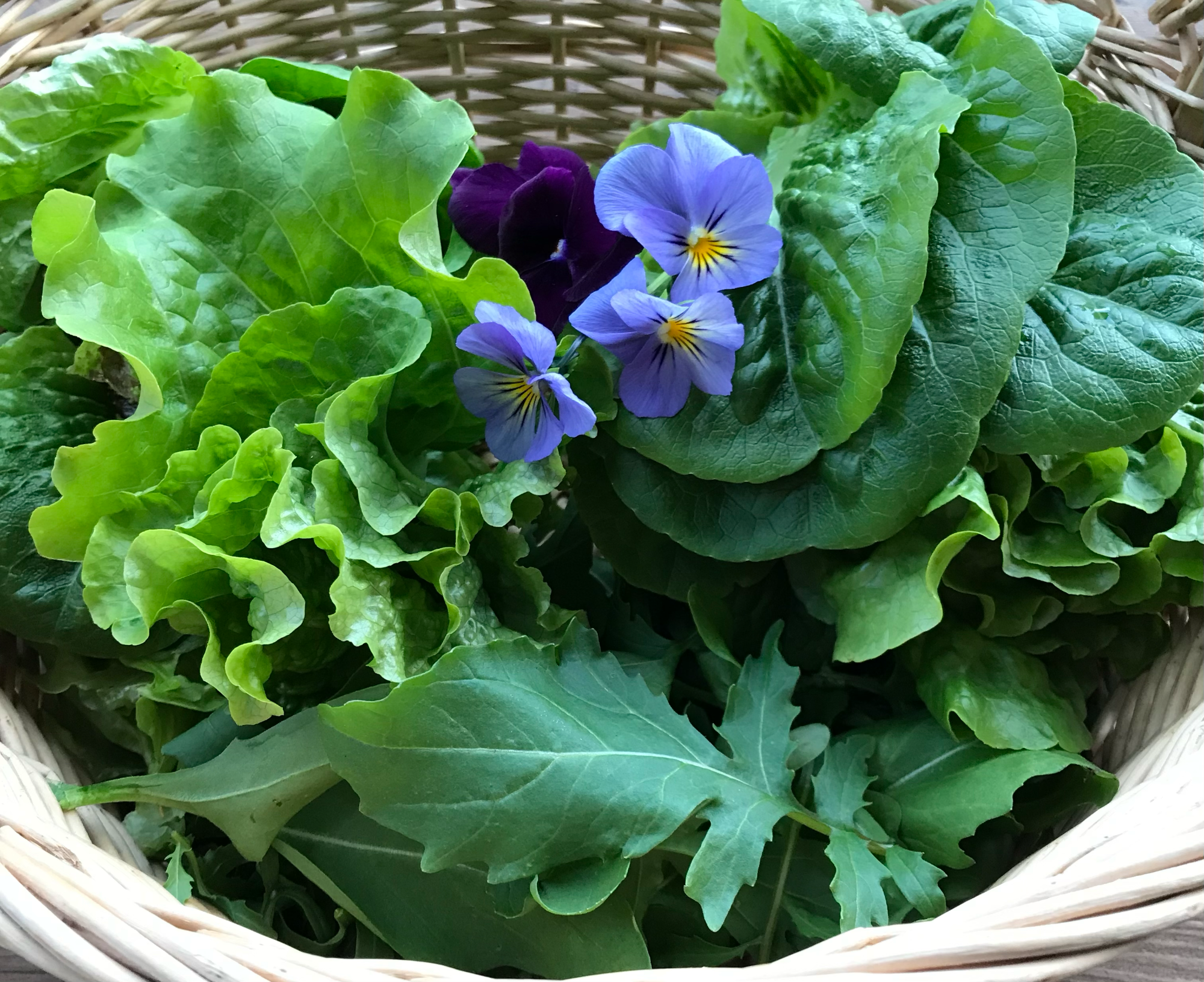
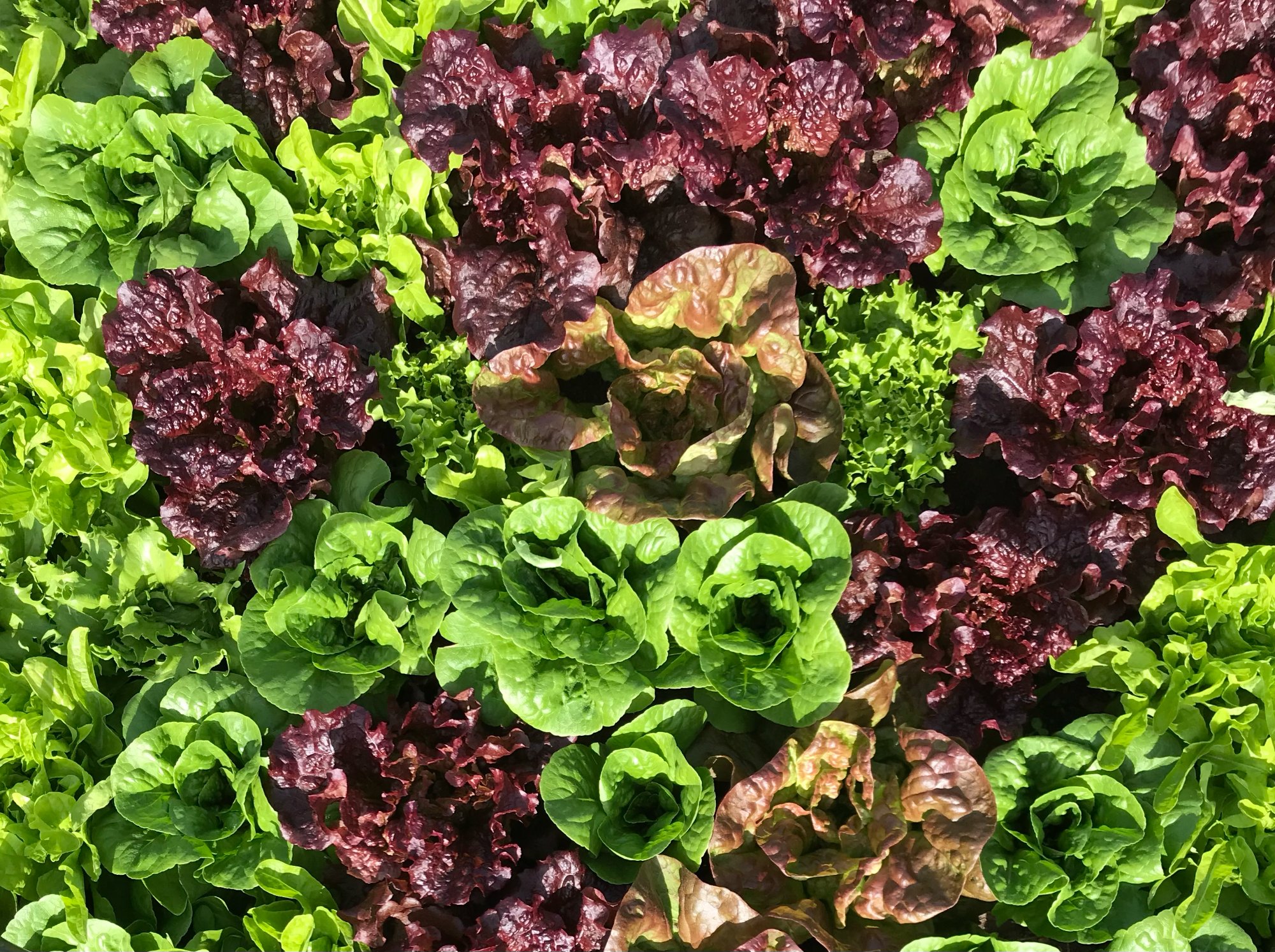
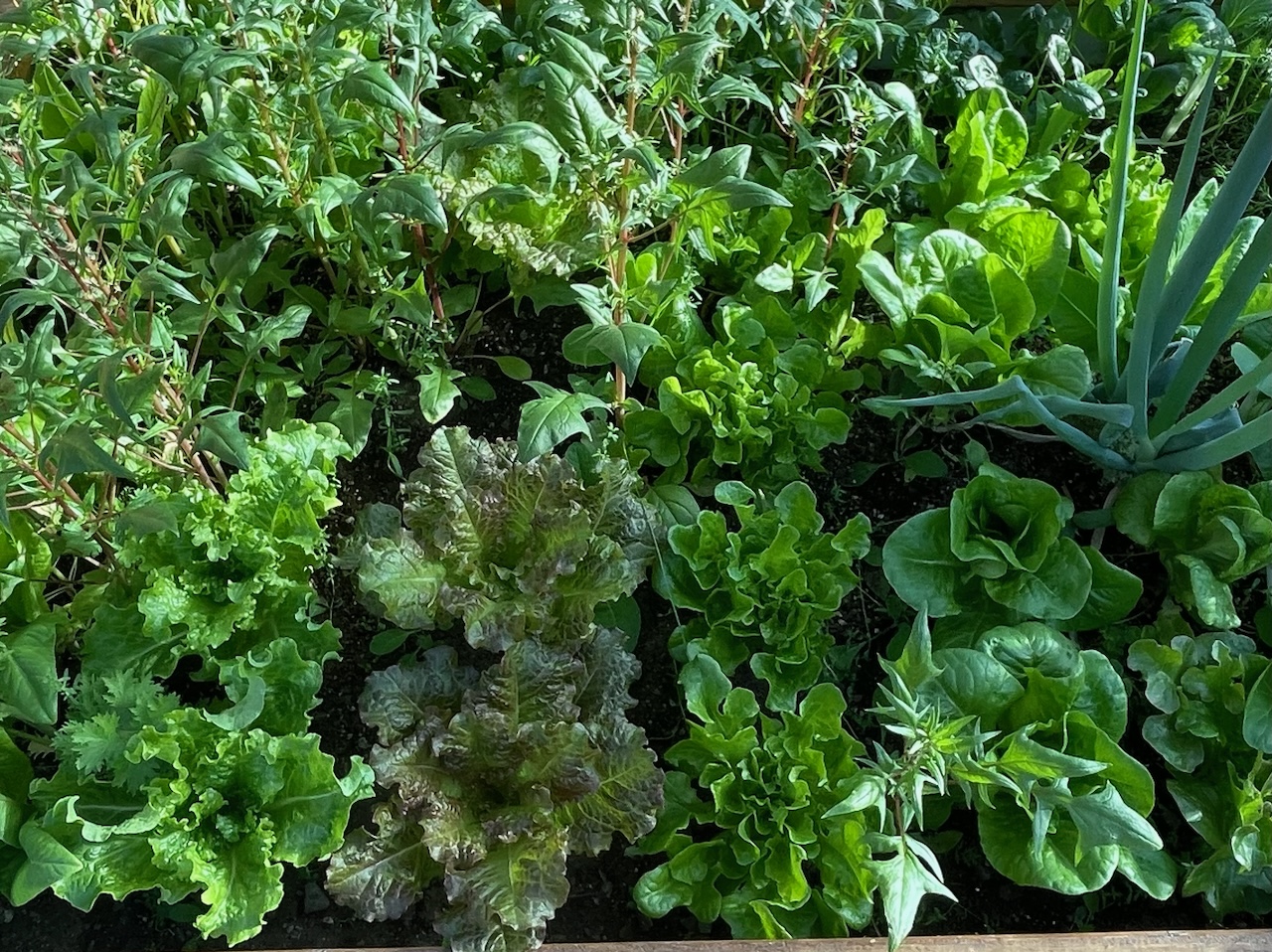
Spring brings greens. Whether on the landscape or cultivated garden, the color of spring's food is green. Grass for bears and bovine, weeds for rabbits and rodents, and greens for you and me: spinach, lettuce, mustard, chives, roquette...after a long winter, plants and animals join for a festival of green nutrition and flavor.
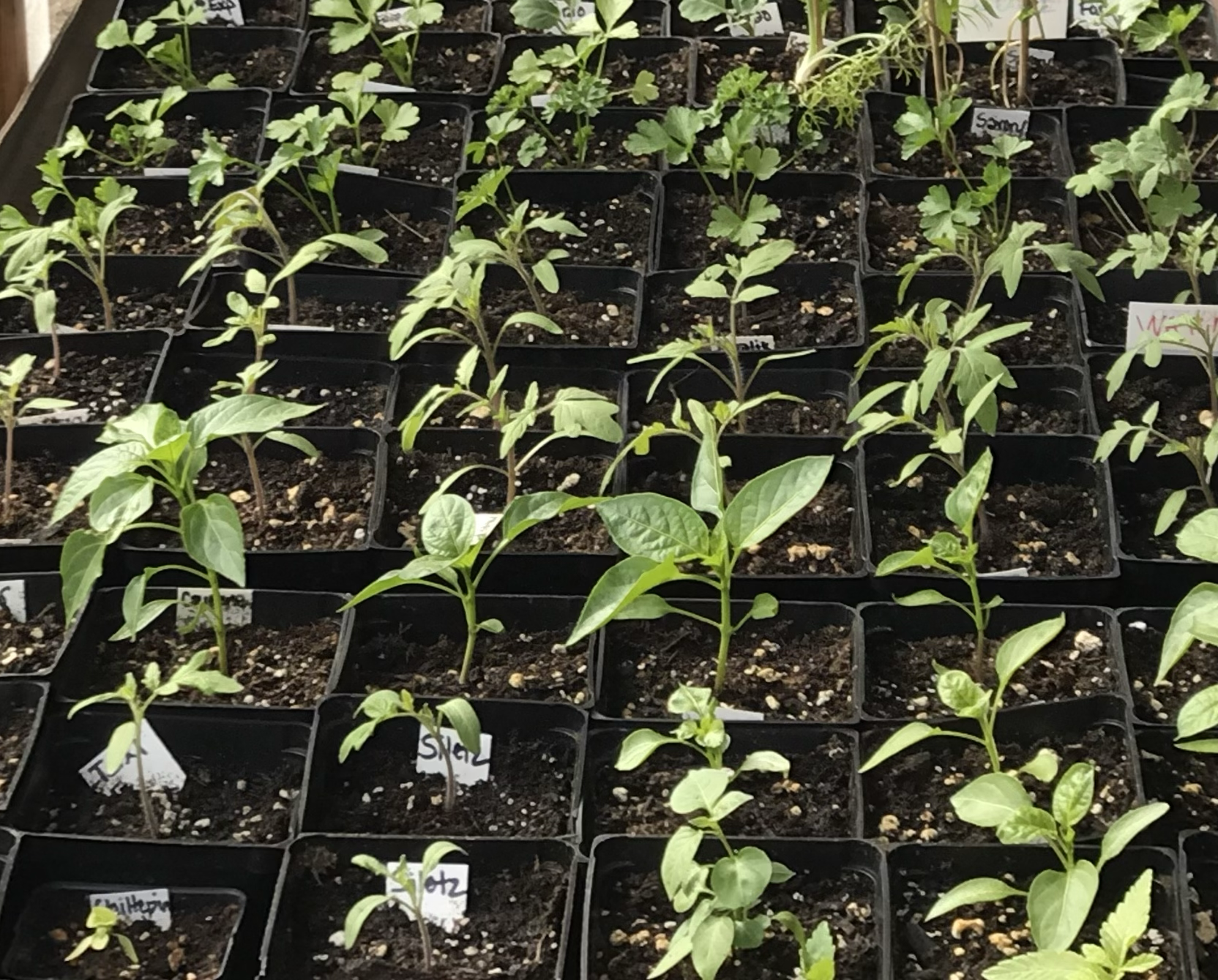
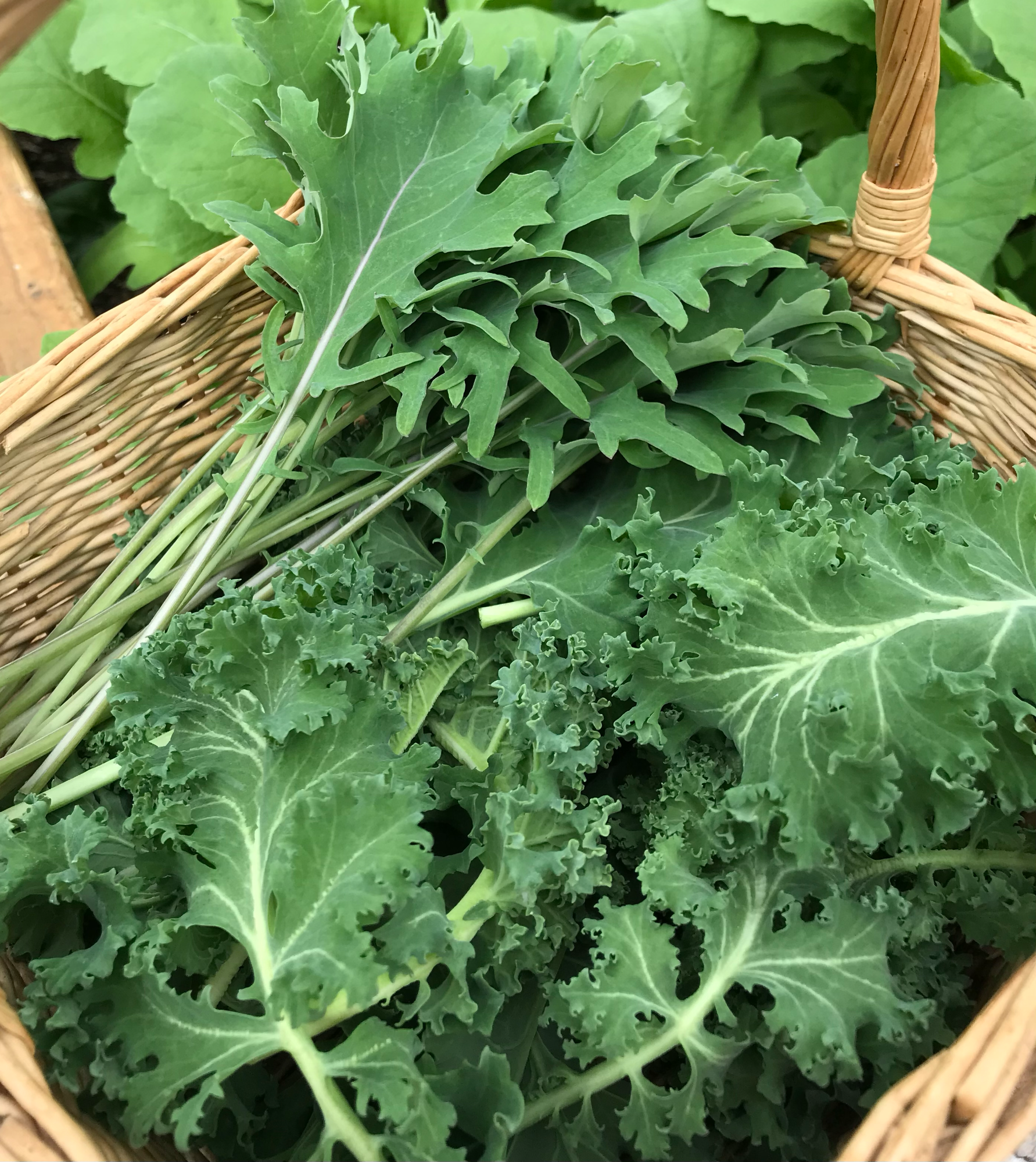
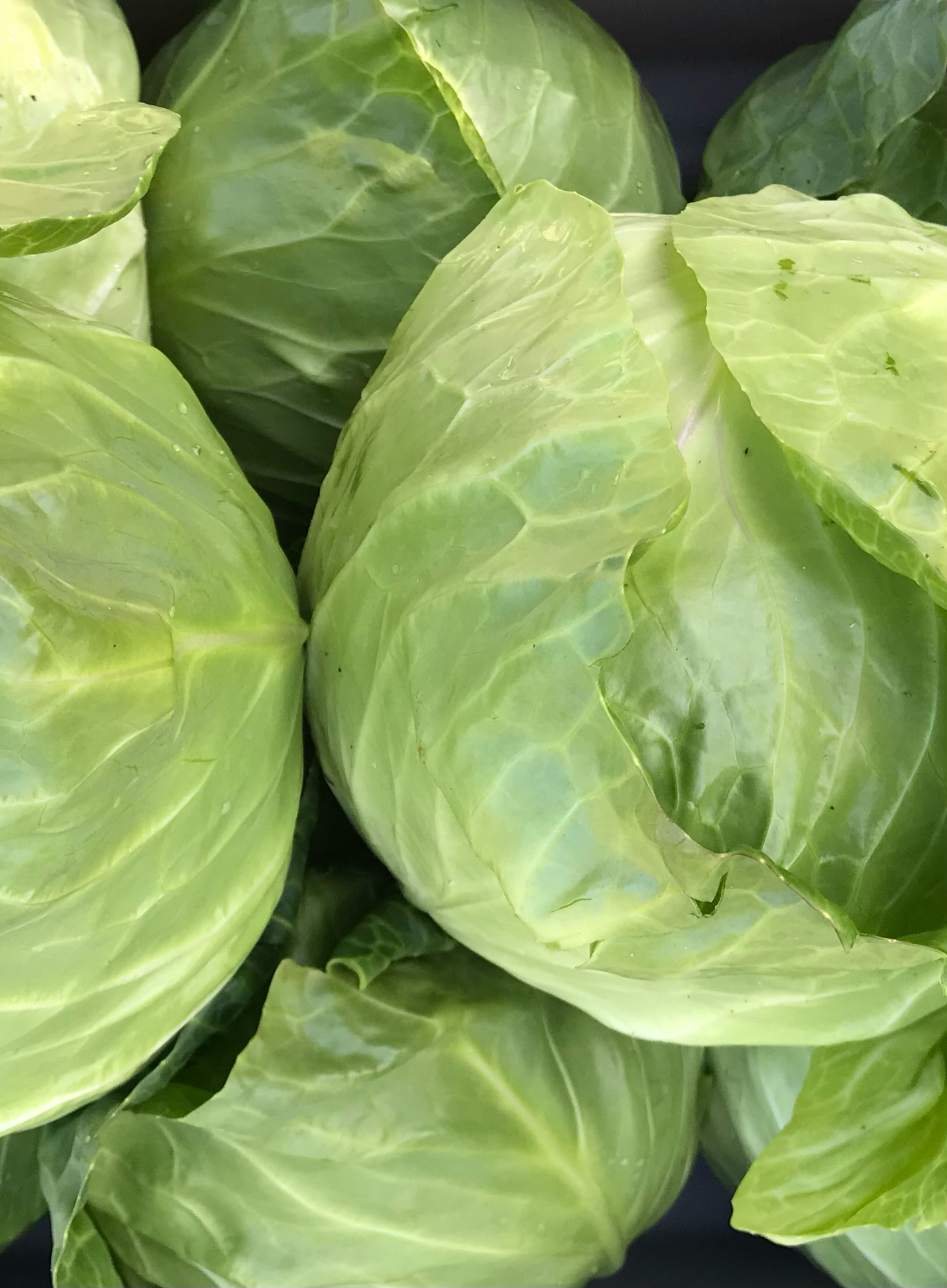
For northern gardeners, spring is the time to get seeds in soil indoors: cool season Brassicas, like cabbage and kale, and long season Cucurbits, squash and cucumbers, and Solanaceae, pepper, tomatoes, and aubergine.
Why we Care
Turn exercise into cash and antidepressants growing delightful health and spirit lifting food. Plant and harvest patio pots, raised beds, or garden rows to discover what a green thumb really means.
For Tilli's garden tips, see Nature's Garden, Chapter 46, page 733, in the easy to read treatise - The Human Nature of Need and Feed.
Like spring delivers menus of greens, summer is the season of fruits and vegetables, developing from the increasing heat of the summer sun, offering a bounty gems for the table and pantry.
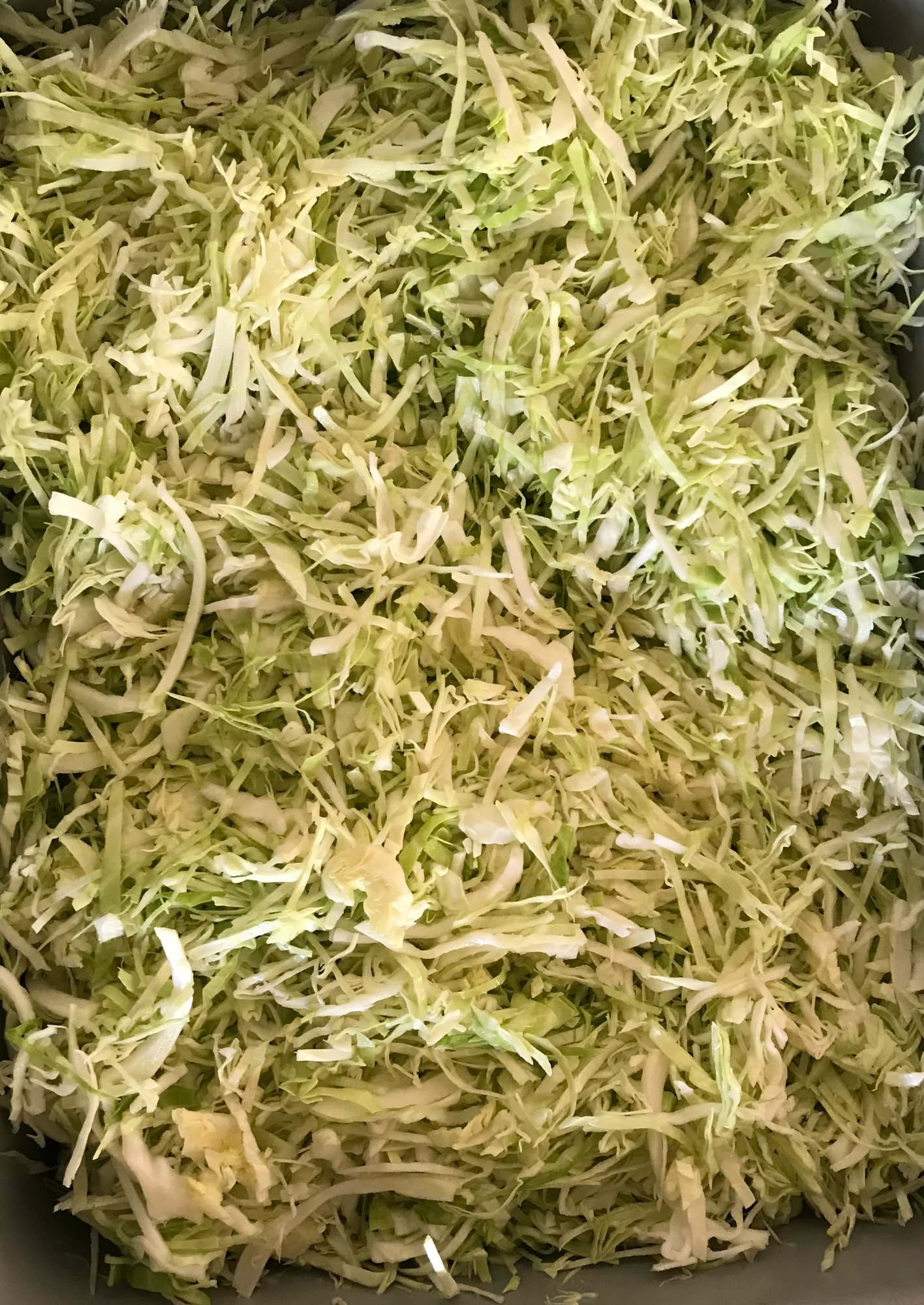
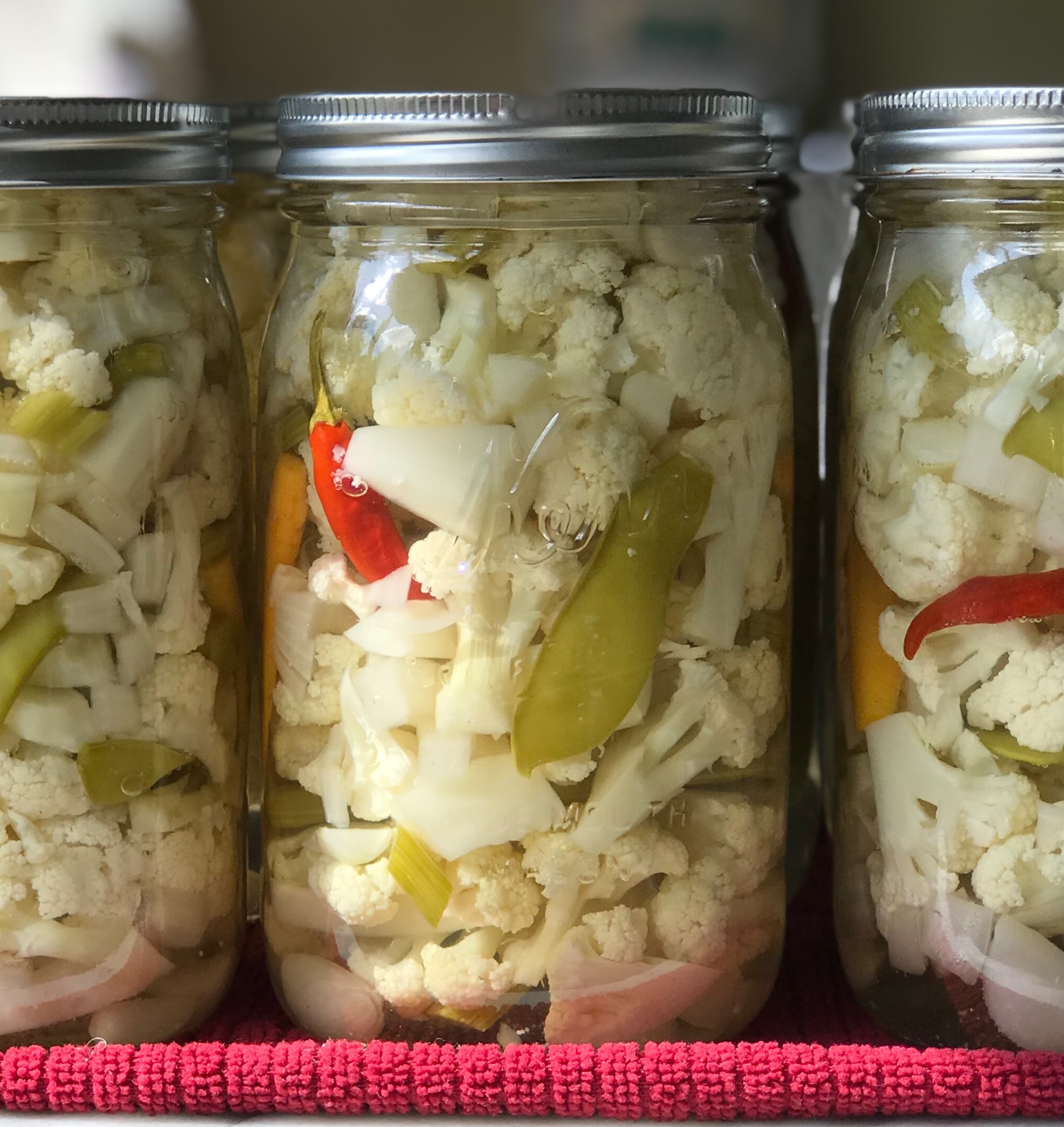
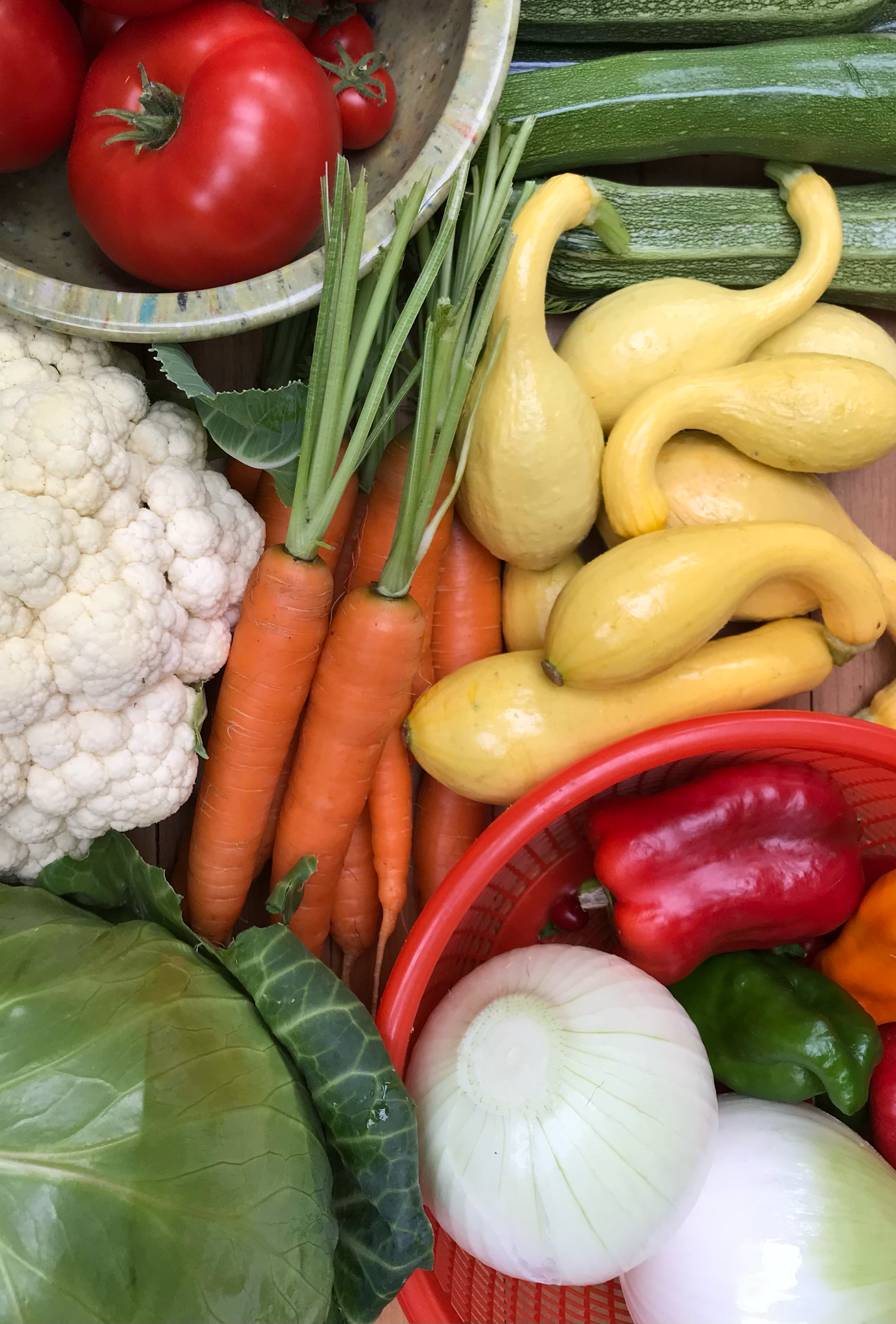
Asparagus, artichokes, beans, broccoli, cabbage, cauliflower, celery,...are the ABCs of vegetables, eaten raw or gently steamed. Vegetables also kickstart the pantry with fermented or vinegar pickles to pair with the cooler seasons stored tubers, roots, and bulbs.
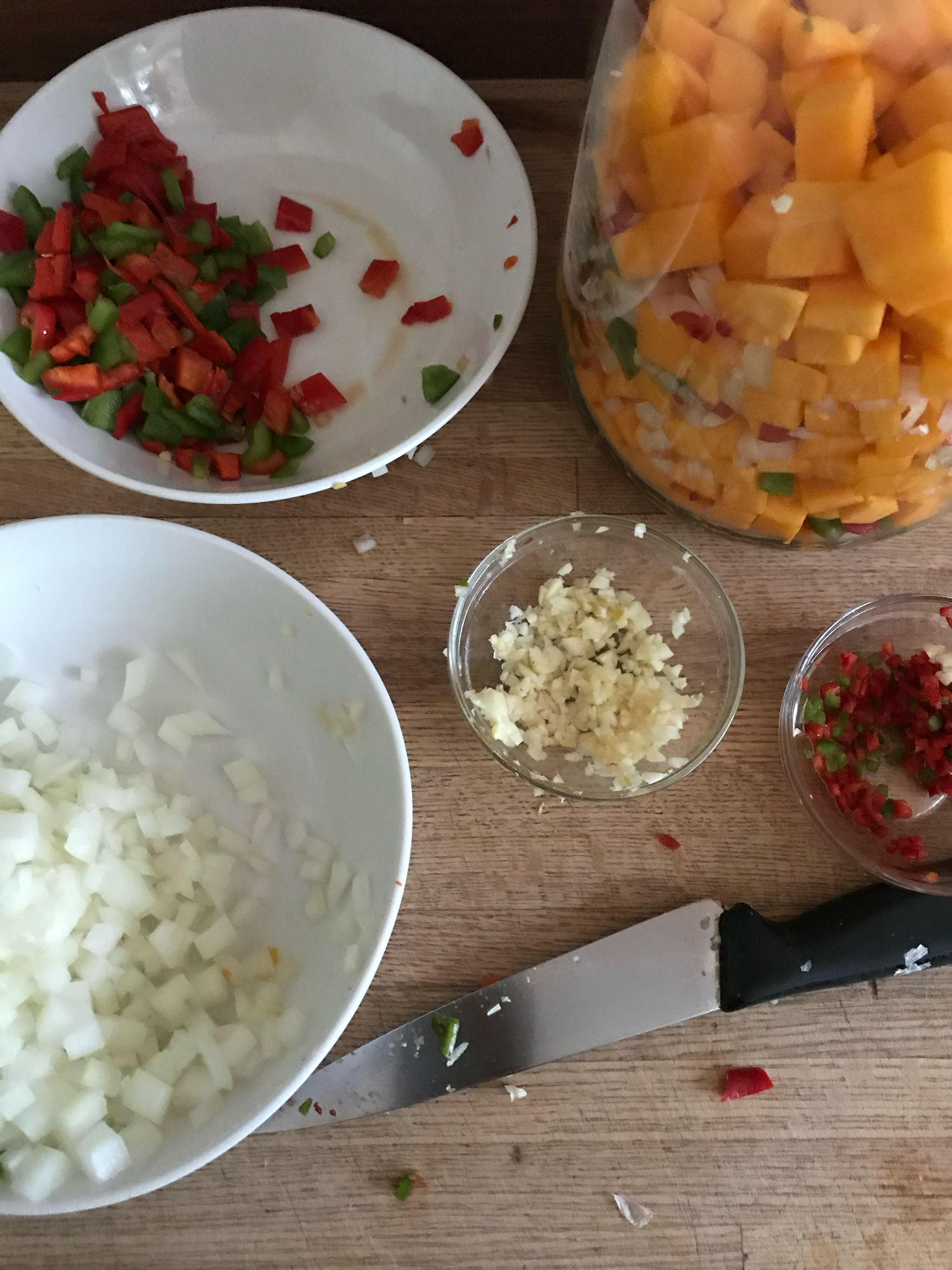
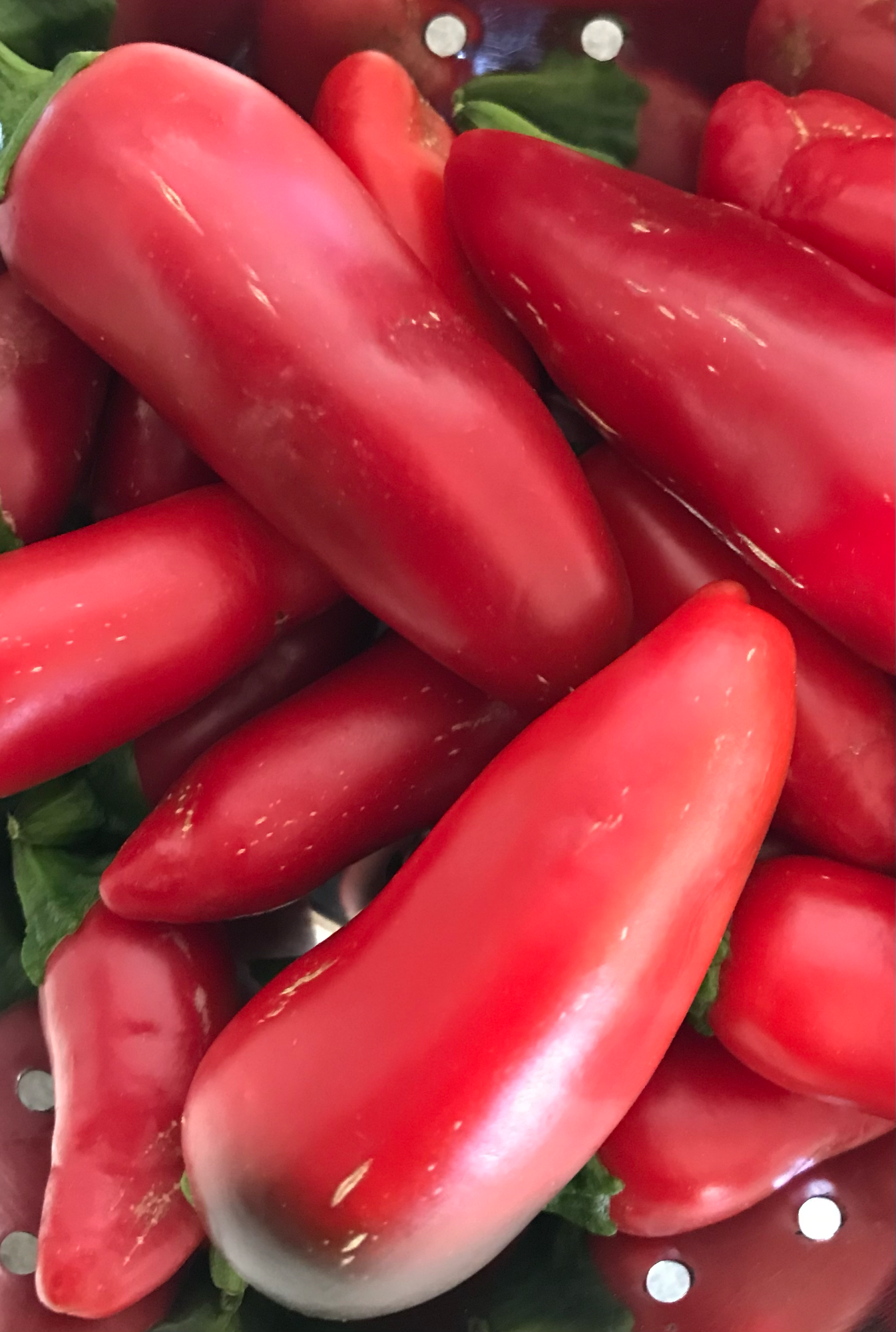
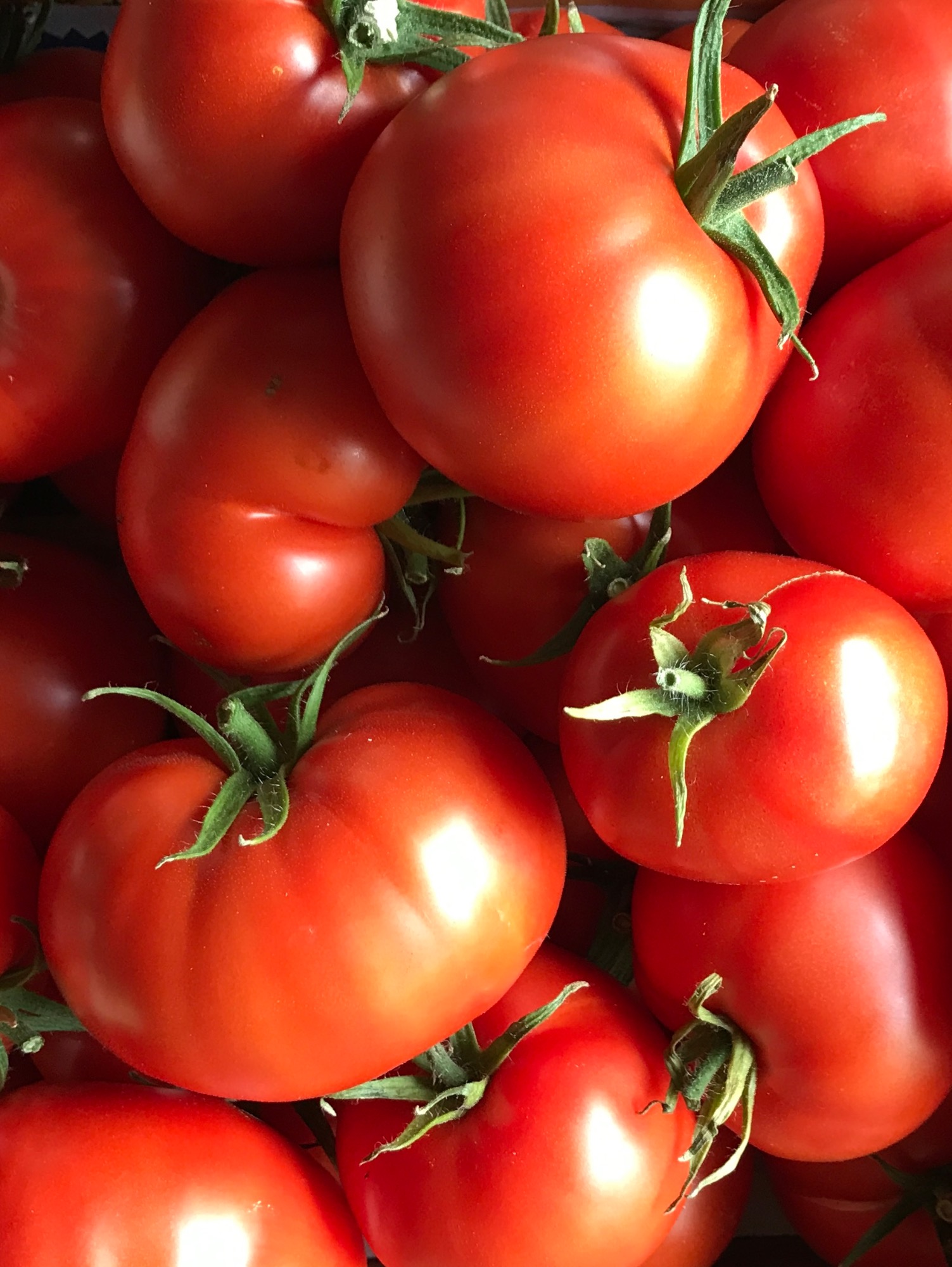
Sweet fruits are the staples of summer. These cool and refreshing, water laden carbohydrates add to the breakfast bowl, lunchbox, and dinnertime desert buffet. Tomatoes, peppers, summer squash, cucumbers, are the savory fruits, and meld for fresh salads, salsas, and sides.
Fruits, sweet or savory, are also ready for conserves in the wintertime larder: jams, chutneys, sauces, and curries to dress those cool season's stored protein rich dried seeds.
Why we Care
Chockfull of vitamins, minerals, phytonutrients, and fiber, to eat out of hand or off the plate, nature's earth to hearth fruits and vegetables are the summertime bounty for year round human health.
For further information, gardening tips, recipes and more, reach for the easy to read treatise - The Human Nature of Need and Feed.
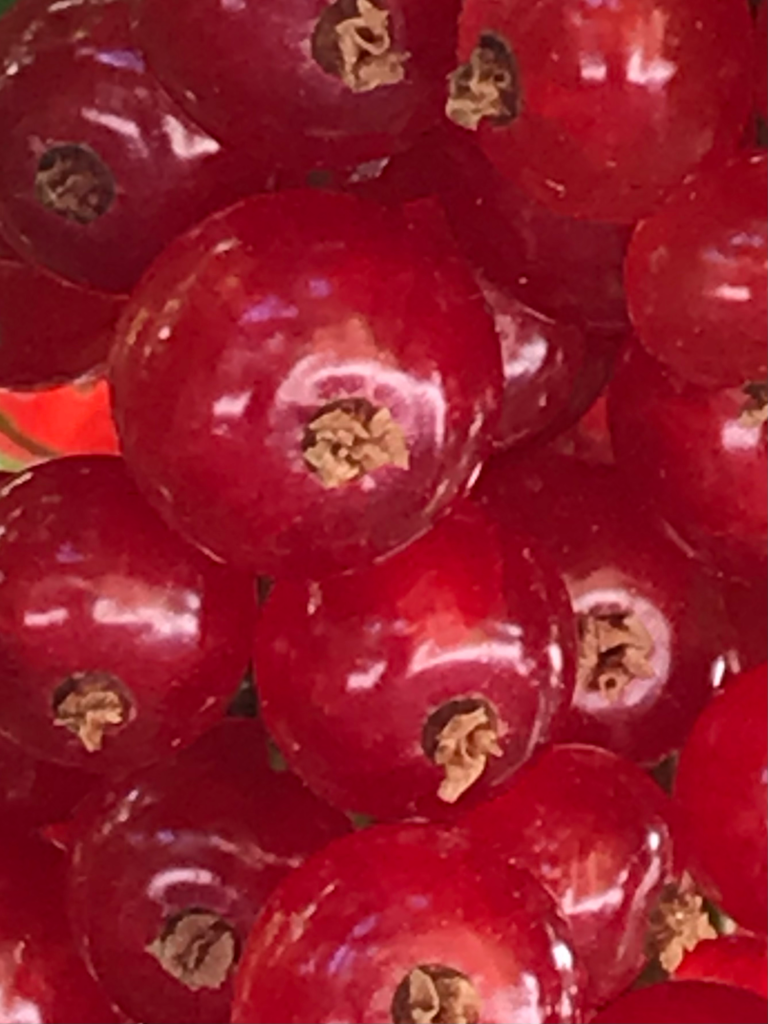
Autumn ushers in the harvest. Storage and preservation become key to extending summer's bounty for the cool days of winter. Fall roots go dormant to await another season, holding best in cool, dry environments with enough air flow to remain viable: too much air flow and heat dehydrate, too little air flow and cold temperatures rot.
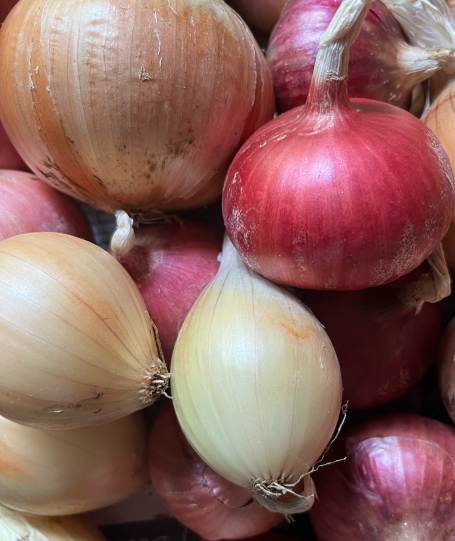
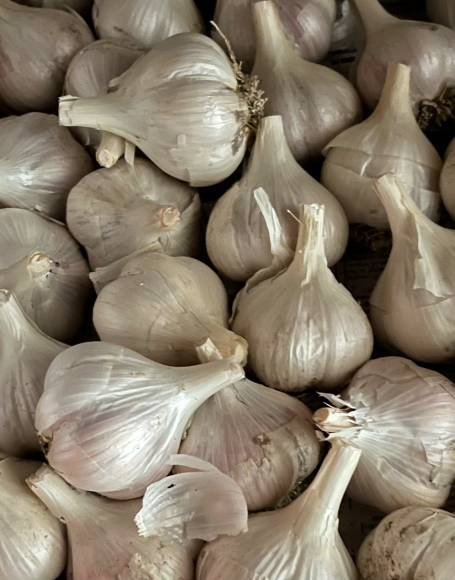
Once removed from the soil, onions and garlic need a warm and dry period, out of the sun, to wither the plant and dry the outer skins. When dry, trim the dried roots and tops and spread into flats to store at or just below 10º C / 50º F.
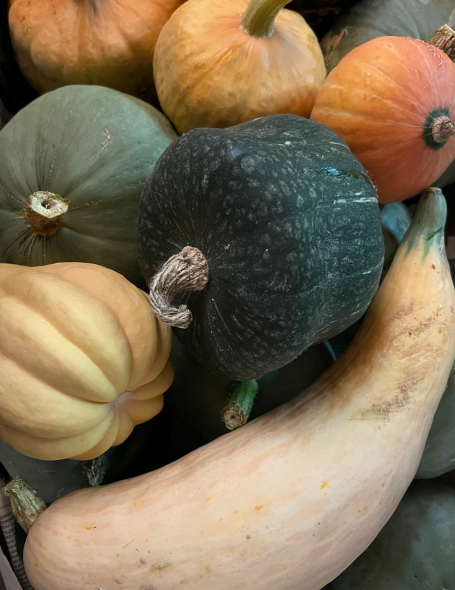
After digging potatoes and picking winter squash, place unwashed in a warm, dry, dark area to reduce surface moisture and firm skins prior to storing loosely in ventilated boxes at or just below 10º C / 50º F.
Tomatoes and citrus fruits also keep well in the same environment, lain in flats and covered loosely.
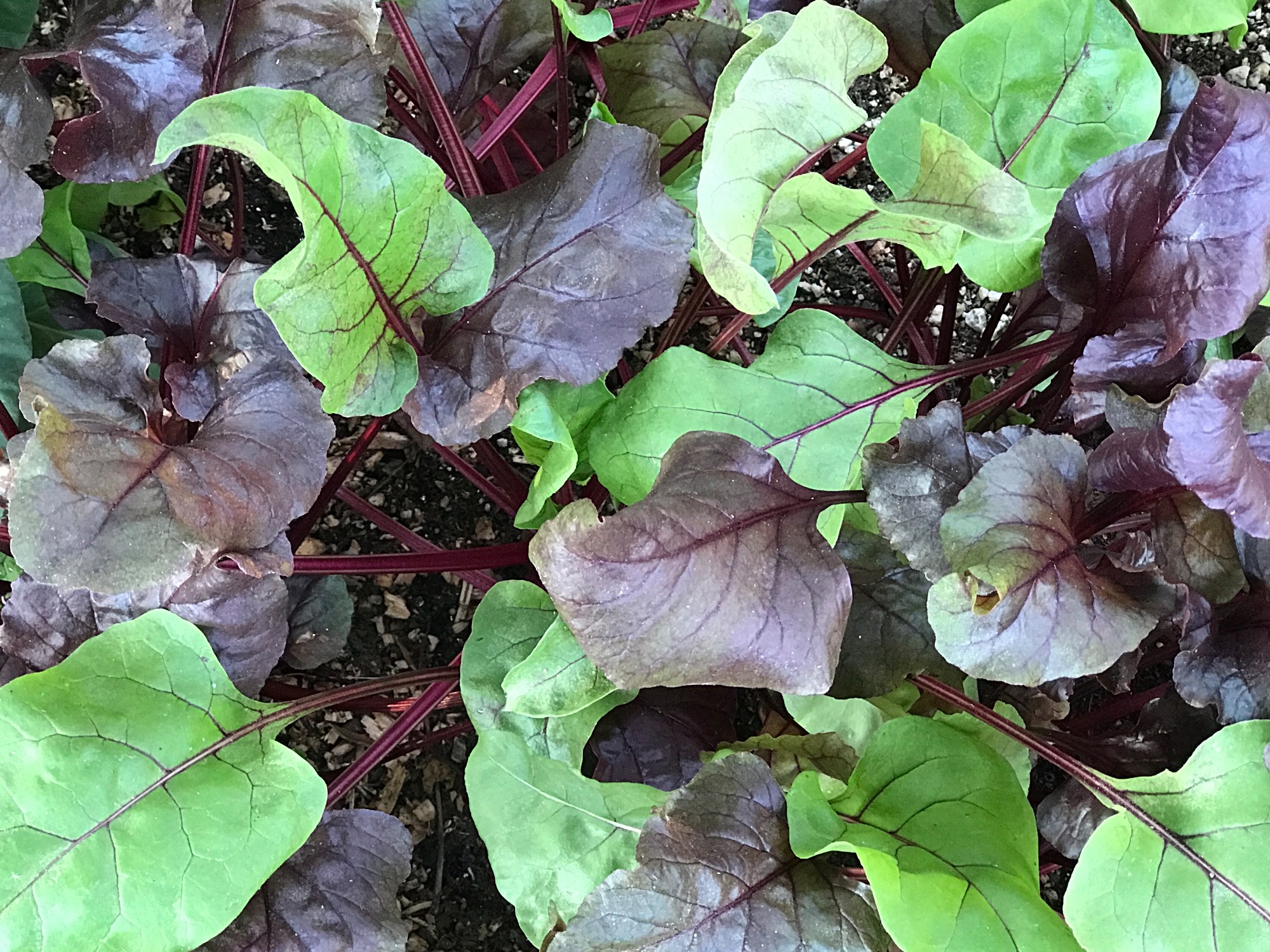
Root crops, such beets, carrots, parsnips, swedes, ginger, turmeric, leeks, and the like may be stored in the ground where winters are mild. For those areas where the ground freezes, I have found they keep all winter placed upright (how they grow), with tops shortened to an inch, in loose lidded buckets of damp ½" minus wood chips, at temps just above freezing.
This environment also holds cabbage, summer squash, peppers, blueberries, apples, pears, even grapes through autumn.
Why we Care
Whether you have a garden or access to farmer's markets, storing a supply of nutritious food, nature's way, provides freedom with food security without the need for refrigeration, freezing, or canning.
For many more tips and ideas for successful food storage, refer to the concise treatise, The Human Nature of Need and Feed.
Condiments are the cherries on top of food.
Add a little dressing to salad, soy sauce to stir fry, mustard to a sandwich...and voila, the tastes of even delightful food moves up a notch.
We are familiar with the power of herbs and spice to amp up flavor, creating dynamic identities: pizza isn't pizza without basil, oregano, and thyme, and chili is not chili without cumin and, of course, chilies. Open up that spice drawer and pop a few tops; herbs and spice are condiments too.
Toppers are condiments as well: nuts, toasted seeds, croutons, and dried fruit. Breakfast lunch or dinner, keep it simple--simple food with condiments.
Chives >>
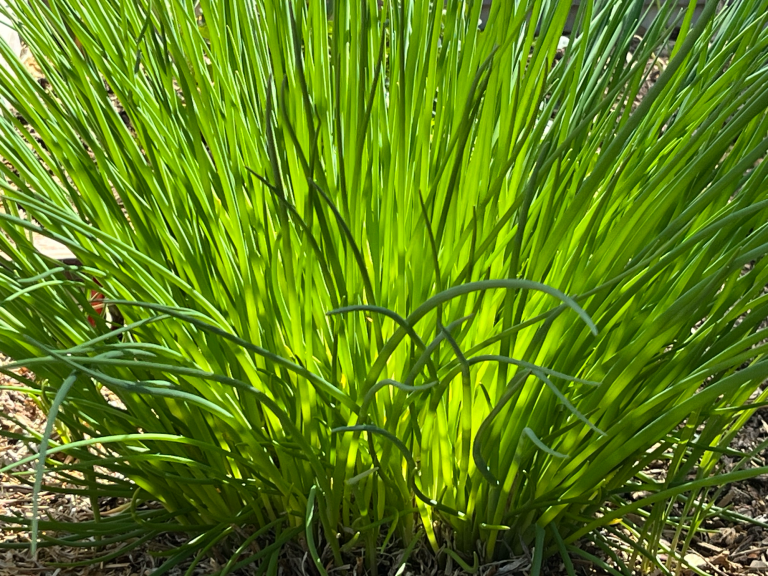
Why we care: Most condiments are condensed or fermented plants, adding powerful nutrition to food. Using condiments limit time spent cooking as well. Just break (veg), boil (seeds), and bake (breads), then add condiments to make simple foods taste even better.
There are condiments quite easy to craft at home, while others readily available and affordable. See chapter 38, page 645, in the Human Nature of Need and Feed for more on condiments.
We need your consent to load the translations
We use a third-party service to translate the website content that may collect data about your activity. Please review the details in the privacy policy and accept the service to view the translations.